Expert Tips for Choosing the Best Tire Changer

Choosing the best tire changer means selecting the right equipment that speeds up your workflow, protects high-end wheels, and cuts down on labor. From small garages to high-volume shops, a tire changer plays a major role in day-to-day efficiency.

But not all machines are built the same, different changers suit different types of work. And making the wrong call can lead to wasted time and unnecessary repairs. If you’re looking to upgrade or add to your shop’s equipment, here’s what to look for in the best tire changers available today.

Workshop employee repairing damaged car tire.

Why Choosing the Right Tire Changer Matters

A tire changer plays a hands-on role in the daily rhythm of any repair shop. The right machine can speed up service, protect expensive wheels, and help your technicians get more done with less strain. If the machine falls short, everything from turnaround time to customer satisfaction can take a hit.

Modern vehicles, low-profile tires, and high-end rims require the right features, and shops risk damaging wheels or wasting time on difficult mount and dismount jobs. Over time, that adds up to lost revenue and added wear on your crew.

High-volume shops especially benefit from equipment that’s built for speed and consistency. Power-assist arms, faster cycles, and ergonomic features reduce fatigue and increase output.

Key Features to Consider When Choosing a Tire Changer

Choosing the best tire changer for your shop means taking a closer look at what your daily operations demand. The best tire changer for your shop depends on how you work, the volume of vehicles you handle, and the wheels you see most often. Even though a machine looks impressive on paper, it might slow you down if it doesn’t match your daily needs. 

Type of Tire Changer: Automatic vs. Manual Tire Changer

One of the first decisions to make when choosing a tire changer is how much automation you need. Manual models cost less and are great for smaller shops or occasional use. Automatic tire changers speed up the process, reduce physical strain, and are better suited for busy bays or more complex wheel assemblies.

Tire Changer Capacity: Understanding Size and Range

Not all tire changers handle the same wheel sizes. Make sure the capacity of the machine matches the types of vehicles you service. If your shop sees everything from compact cars to light trucks, go for a model with a wider clamping range.

Speed and Efficiency: How Quick and Effective Should It Be?

Time is money in the shop. The best tire changers help your team move faster without sacrificing care. Look for features like power-assist arms or quick-change mounting tools that keep jobs moving without slowing things down.

Safety Features: Ensuring a Secure Operation

Features like bead-blast inflation, pedal guards, and rim protection tools help reduce damage to wheels and keep techs safer during use. Choosing a tire changer with safety in mind means fewer accidents and fewer costly mistakes.

Shop Size Considerations: Choosing Based on Your Shop’s Dimensions

Some machines require extra clearance for tilt-back towers or assist arms. Always measure your space before making a decision. Compact models work well in smaller garages, while larger setups fit best in high-volume shops.

Budget Considerations: How to Choose Based on Your Budget

Balancing cost and capability is part of every equipment purchase. Avoid underbuying or overbuying by matching features to your actual workload. A mid-range tire changer often delivers the best value without giving up performance.

Types of Tire Changers Explained

Not all jobs are created equal, and the same goes for tire changers. Some machines are built for speed, others for precision. A few are specialized for size or safety. The one that works best for your shop depends on the kind of vehicles you see, how often you’re changing tires, and how much room you’re working with.

Swing Arm Tire Changers

Swing arm models are a common choice for general repair shops. The mounting head stays fixed once adjusted, making them ideal for shops that work on similar-sized tires. These machines offer solid performance and lower cost but require manual repositioning for different wheel sizes.

Tilt-Back Tire Changers

Tilt-back machines make tire swaps faster and easier. The entire tower moves back to clear the wheel, which saves time and effort during high-volume days. Shops that deal with a range of wheel sizes benefit from the flexibility and speed this design provides.

Touchless Tire Changers

Touchless or leverless machines are built to protect delicate rims, especially on low-profile or run-flat tires. Instead of using a pry bar, the machine lifts and mounts the tire with minimal contact. These are a smart pick for shops servicing luxury or performance vehicles.

Heavy-Duty Tire Changers

Heavy-duty models are designed for large trucks, buses, and equipment. They handle oversized wheels and high-weight loads without issue. If your shop deals in commercial or industrial vehicles, this is the category built for that kind of work.

Maintenance Tips to Keep Your Tire Changer in Top Shape

Regular maintenance keeps your tire changer working smoothly and extends its life. A few small habits can prevent big problems down the line:

  • Clean the machine daily
    Wipe down all working surfaces and remove debris that could interfere with moving parts.
  • Inspect air lines and hoses
    Look for cracks, leaks, or signs of wear. Damaged lines reduce performance and can be a safety risk.
  • Lubricate moving parts
    Keep turntables, mount/demount heads, and assist arms properly lubricated to avoid wear and sticking.
  • Check and tighten fasteners
    Bolts and nuts can loosen over time. Give everything a once-over weekly to catch problems early.
  • Empty the water separator
    Moisture in the air system can damage internal components. Drain it regularly.
  • Replace worn plastic parts and covers
    Protect alloy and custom wheels by replacing damaged clamp covers, duck heads, or bead breaker pads.
  • Test inflation systems and pressure gauges
    Make sure they’re accurate and functioning correctly to avoid overinflation or underinflation issues.

Find the Best Tire Changer Parts at SVI International

Ultimately, choosing the best tire changer is only part of the equation. To keep your equipment performing at its best, you need access to reliable parts, fast shipping, and expert support. 

At SVI, we stock repair and replacement parts for the best tire changers and balancers in the industry. Whether your shop uses Coats, Ranger, Nussbaum, Sicam, or another leading brand, we’ve got you covered. From jaw clamp covers to seals, blades, hoses, and fittings, our parts fit right and hold up to daily use.

Need help finding a specific part or planning for an upgrade? Contact our team or request a quote online

Fleet Maintenance: Why a Reliable Automotive Lift Is Crucial

For industries relying on a fleet of vehicles, finding a reliable automotive lift that effectively services your fleet takes priority.

Servicing your fleet without helpful equipment such as an auto lift quickly costs your business valuable resources. In the content below, we discuss why a reliable automotive lift is crucial for fleet maintenance. Additionally, we explore the purpose and benefits behind in-house fleet maintenance.

Fleet Maintenance: What Is It?

Before discussing an automotive lift’s applications within fleet maintenance, it’s crucial to understand the concept. Fleet maintenance refers to a business investing time and money to safeguard its vehicles for their employees’ efficient and safe use. In comparison with personal autos, your business assumes full responsibility of regularly maintaining a commercial vehicle fleet and associated expenses.

Fleet Maintenance: Which Industries Utilize It?

In certain industries, a vehicle comes as a package with a job. Below are some common industries that often utilize fleets for their services:

  • Pest Control
  • Cable and Satellite Providers
  • Plumbers
  • Electricians
  • Window Repairmen
  • Postal and Delivery Services
  • Construction Workers
  • Cleaning Services

Fleet Maintenance Benefits

Although postponing maintenance tempts some, delaying repairs and service scheduling can quickly burden your budget. Therefore, consider the financial advantages of effective fleet maintenance. By performing preventative maintenance in-house, your business avoids taking valuable vehicles off the road for overdue repairs.

However, if your business fails to adhere to the maintenance schedule, you risk incurring costly damages. For example, neglecting to perform an oil change every three and six months can result in repairs exceeding $3,500. In addition to accruing expenses, you also put the longevity of your fleet and the safety of your employees at risk. Therefore, ensuring regular maintenance results in better fuel efficiency, greater vehicle longevity, and a safe staff while on the road.

How Do I Ensure Efficient Fleet Maintenance?

If you have a substantial active fleet, consider bringing a mechanic on staff, either part-time or full-time. As a result, you’ll have an employee dedicated to your fleet, ensuring each vehicle is in working order. Additionally, your on-site mechanic helps oversee vehicle rentals and returns in the event your employees aren’t assigned vehicles. As your business and fleet grow, you can consider hiring additional mechanics to continue servicing your fleet in-house.

When Reliability Counts: The Importance of Operating with Efficient Automotive Lifts

Automotive lifts are intended to facilitate a vehicle’s maintenance. From performing a tire rotation to changing the oil, lifts reduce the time spent on maintenance while protecting your mechanic. Below are three reasons explaining why a safe and reliable automotive lift is crucial for fleet maintenance.

Reliable Lifts Lead to Increased Productivity

Poorly designed auto lifts delay productivity and increase service time. Therefore, finding a quality lift that properly matches its intended application increases overall reliability.

Regarding fleet maintenance, increased productivity is essential when you only have one or two lifts to service your entire fleet. Auto lifts are intended to reduce a mechanic’s time spent servicing a vehicle or performing emergency repairs.

By raising the vehicle up several feet, your mechanic can better view your fleet’s undercarriage and evaluate any issues. Your mechanic can quickly notice troubling signs such as leaks, wear and tear, and damaged or missing parts. If any issues arise, your mechanic can easily access their parts and tools and quickly remedy the problem. Therefore, by repairing any issues early on, you prevent more expensive breakdowns. 

Reliable Lifts Enhance Mechanic and Fleet Safety

Every industry should value employee and product safety. As a result, auto lifts allow your mechanics to effectively service fleet vehicles while standing upright in a natural position. Doing so prevents them from straining muscles that reduce productivity over time. With having easier visibility of the vehicle and a greater working space, your mechanics can feel safe.

Additionally, purchasing a reliable automotive lift assists not only your mechanics and fleet managers but also your vehicles. Designed to securely lift and lower vehicles for maintenance and repairs, auto lifts can only work efficiently when used accordingly.

Automotive lift manufacturers heavily emphasize the importance of following a lift’s safety features. When operating a faulty lift, you risk the safety of your mechanic or anyone near the lift. If an accident occurred, the heavy machinery could incur serious injuries or fatalities. Therefore, it is crucial to regularly perform a lift inspection and ensure its proper usage.

Reliable Lifts Have Greater Longevity

We understand the importance of protecting your auto lift investment. Therefore, it’s crucial to purchase a reliable auto lift right from the start. To decide which auto lift best suits your business needs, evaluate a complete guide to different types of car lifts.

Poorly designed lifts guarantee a short life span, failing to offer necessary lifting capacities. Any lifts without the required arm configurations, adapters, and other attachments can quickly become overworked. As a result, you may maintain the lift more frequently than your fleet, causing excessive vehicle downtime and reduced shop productivity. 

Find Reliable Automotive Lift Repair Parts at SVI International

SVI International is the industry leader in automotive lifts and lift repair parts. We provide over 40,000 repair parts for a plethora of lifts and brand-new auto lifts of extraordinary quality. SVI provides innovative solutions to solve industry challenges. If in need of a discontinued part, our expert mechanical engineers will design a cost-effective alternative solution for you.

Are you interested in learning more about our products or ready to request a quote? Contact us today at (800) 321-8173 or by submitting our online contact form.

Floor Jack Repair: How to Fix a Floor Jack Not Lifting  

how to fix a jack that won't lift

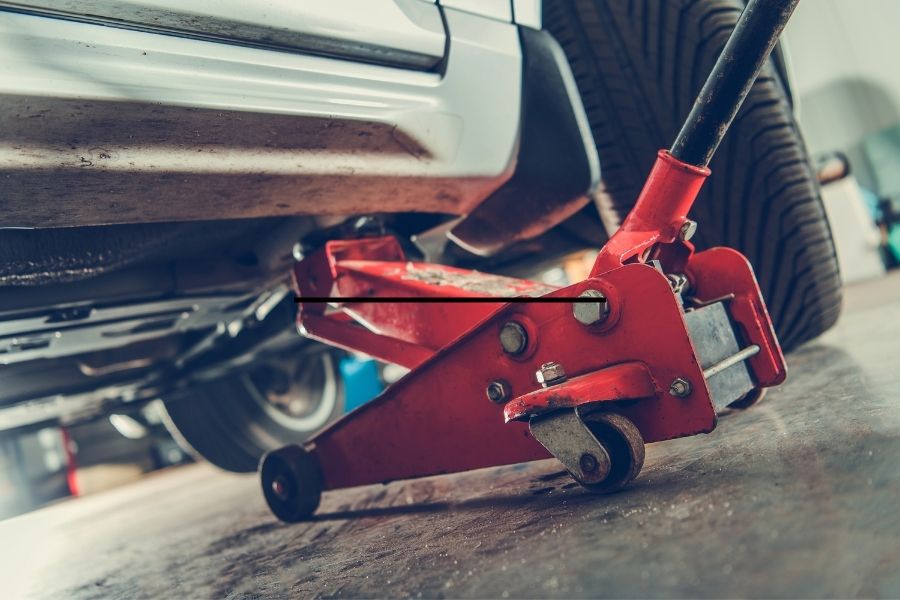
You can have the best-equipped garage with the best tools in the world, but none of it will matter if you can’t get to the components of your vehicle that need to be fixed or replaced. A floor jack should be in your toolbox if you need to change your oil, replace a flat tire, or make other repairs to your car or truck.

Unfortunately, no matter which floor jack you choose, there might be a time when it doesn’t work like intended, and you’ll need to do some troubleshooting.

So, here is a handy guide for learning how to fix a jack that won’t lift.

How to Fix a Floor Jack Not Lifting

Confirm the Lift Capacity

It’s not always an issue with the jack; sometimes, it’s the sheer weight of the vehicle that you’re trying to lift.

Locate the Gross Vehicle Weight (GVW) on the sticker in your driver’s door jamb to find out the right tonnage capacity for your vehicle. The weight of most vehicles is also divided into front and rear weights. Make sure that the jack you purchase can lift more than the heavier of the two weights. For example, if you need 3100 pounds in the front (just over 1-1/2 tons), get a floor jack that can bear at least 2 or 2-1/2 tons.

Exercising a floor jack beyond its capacity stresses it, making the process dangerous for you.

Check Fluid Levels

One of the most common reasons a jack won’t lift is incorrect fluid levels. First, remove the oil plug and look into the chamber to check the oil level. The suggested level for most floor jacks is 3/16 to a quarter above the reservoir. If you need to replenish, make sure you have the highest-grade oil possible.

If the jack’s oil level is higher than the required level, you will need to drain it. When a jack has more fluid than necessary, it risks blowing out seals, producing internal leaks, and causing the jack to lose pressure.

A jack with a low oil level will generally work correctly, but the low fluid level will significantly reduce the jack’s height. Hydraulic systems are closed-loop, which means the fluid level should never fall below zero. If it does, there’s most likely a leak someplace, which you’ll need to rectify before using your jack.

Use only the hydraulic oil recommended by the manufacturer; using anything other, such as hydraulic brake fluid or transmission oil, could damage the seals.

Look for Trapped Air

A jack can be tilted during shipping, allowing air to enter the cylinders. As a result, when you first pull a new jack out of the box, it’s critical to bleed out the air before using it.

Additionally, it would be best to repeat this practice monthly or whenever you notice any lapses in lifting capacity. Bleeding the jack every month will help your jack perform at its best. To bleed your lift, follow the steps below:

With the valve open, pump ten times.

Close the valve and elevate it to the full height.

Continue to pump ten times while at full extension.

Lower the cylinder by releasing the valve.

If required, repeat two more times to expel all air from the cylinder.

Most of the time, this will completely bleed the jack. If not, gently pull the oil fill plug on the side after the cylinder has been freed and lowered to help remove any trapped air.

Test the Release Valve

If you’ve done everything above and it’s still not bearing pressure, you should check the release valve.

Check the valve for leaks and make sure it’s airtight. If it isn’t, it will let the pressure out and allow air back into the system when you try to raise something.

A leaking valve will almost always have a greasy coating around it, indicating a leak.

Routine Maintenance and Cleaning

It’s essential to do a comprehensive check-up even if you’ve been able to get the lift working by this point. Looking over all of the lift’s parts can prevent a future issue.

You should look for cracked welds, destroyed parts, oil leaks, and anything else that isn’t in working order. You should also check the jack’s ram by flipping it on both sides. Always inspect it in both the retracted and extended states. If the floor jack has rusty pistons, this could indicate a problem.

Regular inspections are necessary for your lift. For example, examine where the jack was stored for any fluid leaks and inspect the housing for any cracking or rust and the piston rod for scoring or other damage. You should also look to determine if excessive wear in any areas could cause problems. Finally, keep an eye out for any foreign things (metal shards, dirt, rocks, etc.) that could harm the device.

It’s also essential to clean the hydraulic jack after each use before storing it. Wash the jack’s exterior using a gentle soap solution. Make sure that you do NOT CLEAN the hydraulic components that move. Oil your parts regularly to avoid premature wear. It would be best to grease the caster wheels, the front axle, the elevator arm, handle base pivot bolts, and the release mechanism with a general-purpose lubricant. After each use, inspect the seals for possible oil leakage and replace them as soon as possible.

SVI International is the Leader Car Parts Dealer

Hopefully, this guide has helped you understand how to fix a jack that won’t lift. Regular maintenance is, once again, the most straightforward approach to avoiding malfunctions and future difficulties. Maintain your jack as much as possible by regularly keeping it clean and dry and lubricating it. Should you need parts for your lift or a new jack altogether, SVI is here to help you. We have everything that you might need for a safe and reliable floor jack. Contact us today at (800) 321-8173 and we can offer you same-day shipping on in-stock parts!

Frequently Asked Auto Lift Questions: Part 1

auto-lift-questions

When it comes to auto lifts, there is no good, single source for answers out there. Often, you will only be able to find bits and pieces of information, none of which seem to correlate or agree with each other. That problem ends now. As the largest provider of auto and industrial equipment parts, SVI International is uniquely qualified to help you find answers to all your auto lift questions, maybe even a few answers you didn’t know you needed. In this first installment of our frequently asked auto lift questions, we will cover lift installation questions you need answered before even making a purchase.

Please note, while applicable for most standard auto lifts, the answers you find in this document may not be best for your specific application. When in doubt, always consult with your auto lift provider first.

Auto Lift Questions

#1. How much ceiling height is needed to park one car above the other?

While this answer varies depending on the type of lift you ultimately decide to choose, there’s a simple way to determine the maximum height you’ll need. If you are wanting to park one car over another, start by measuring the individual heights of each of the cars you want to lift. Add them together and then add another 10 inches to your number. The final result will be your answer, giving you the minimum safe height required.

Car 1 Height (H1) + Car 2 Height (H2) + 10” = Minimum Safe Height Required

Could you potentially get away with slightly less overhead room? Sure, but this formula ensures you have plenty of space for either storage or service needs.  

#2. What type of power outlet/source is needed to operate my lift?

Residential and commercial models tend to need different power sources. If you are looking to install a residential lift, a single-phase 110V or 220V power source should do the trick. These types of outlets are fairly standard in residential garages, so you shouldn’t be concerned. However, commercial lifts often require “sturdier” power supplies, usually 220V or 440V sources. As always, consult with your owner’s manual or your lift provider prior to deciding.

#3. Do I need a special type of floor or foundation to support my lift?

Flooring requirements are different for each lift. If you already have a lift in mind, you can usually find specific requirements in your owner’s manual. However, in most applications, a minimum of 4” thick concrete, rated for 3,000 psi will be able to support your lift and the vehicles it holds. Flat surfaces with no more than a 3% grade are ideal and strongly recommended for most models.

This being said, be sure to adhere to any specific flooring/concrete requirements found in your owner’s manual and ensure the floor is structurally sound. This means no holes, cracks, expansion joints, or soft concrete.

#4. Do I need a building permit to install my lift?

Most home garage lifts do not require a permit. However, commercial lifts and a few specialty home garage options do. The process of obtaining permits and meeting requirements will vary based on your city and state, so remember to check with your local building department beforehand.

#5. Can I mount the power unit on any column of the lift?

Again, while the answer to this question will depend on your chosen type of lift, there are several options (both 2-post and 4-post) which do allow you to install the power unit on either column.

#6. Do I need to buy anything else with my lift?

Along with your lift, you will need to purchase at least 3 gallons of hydraulic oil to keep everything running smoothly. Because lifts are so heavy (some weighing up to 2,000lbs), you may also want to have someone install it for you. Otherwise, you will need to purchase a forklift to do so yourself.

Additionally, if you are attempting to install the lift independently, keep in mind that some larger models require at least two people, and can take up to six hours to complete.

#7. Where can I get replacement parts for my lift?

Whether you buy a new or used auto lift, it will inevitably need replacement parts. For over 40 years, SVI International has been serving the automotive service equipment industry with honesty, integrity, and a high level of quality. We provide on-time delivery and same-day shipping on all our in-stock parts. We exist as your one-stop shop for equipment parts, lifting equipment, RELS brake lathes, fluid delivery products, petroleum equipment parts, and much more.

Whether you have additional questions not answered here, concerns, or need help placing an order, we are always just a phone call away. Call us at (800) 321-8173 or fill out our online contact form today. We look forward to assisting you and invite you to peruse the second part in this series, Frequently Asked Auto Lift Questions: Part 2.