
Lubrication Systems Types and Features 

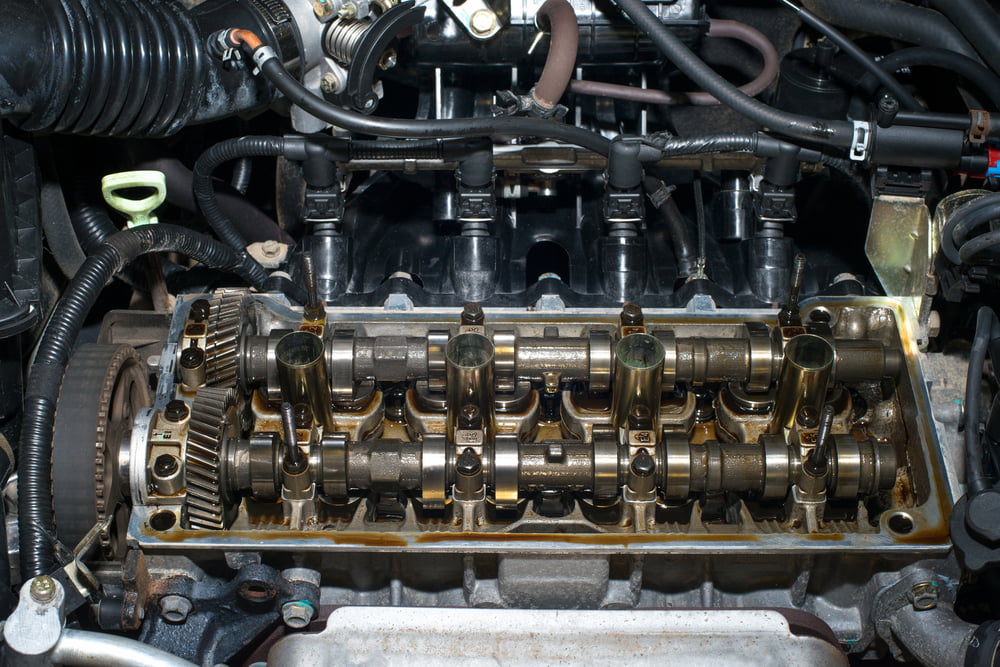
internal combustion engine benefited by lubrication systems

What are Lubrication Systems?

Simple machinery works well with an occasional squirt of oil. On the other hand, an engine in a complex machine needs continual lubrication to function properly. Internal combustion engines have built-in lubrication systems, but other engines use an external lubrication system. Lubricating systems continually dispense lubricant into the machinery in just the right quantities to keep an engine running smoothly.

Functions of Lubrication Systems

Lubricating systems vary depending on the size and type of engine. However, they all have the same basic functions. When a mechanism is turned on, the lubrication system’s pump automatically supplies oil to the crankshaft and camshaft bearings. The oil then flows through groves on the crankshaft’s main bearings, traveling to the sump, through holes in the connecting rods, and on to the piston and cylinder.

Lubricating System Components

Lubrication systems have eight main components. These are the oil sump (also known as an oil pan), oil pump, oil filter, oil strainer, oil cooler, oil level indicator, oil pressure gauge, and oil pressure indicating light.

The oil sump holds oil and covers the crankshaft. The oil pump supplies oil to parts under pressure. The oil filter removes grit and dirt particles from the oil as it circulates. The strainer stops dirt and grit from getting into the oil pump.

The oil cooler prevents the lubrication oil from overheating. This keeps viscosity levels high, so the oil can circulate through the system with ease. The indicator enables you to measure how much oil is in the lubricating system while the indicator shows if an oil change is needed.

Types of Lubrication Systems

There are five main lubrication systems used in motor vehicles. These are the petroil lubrication system, the pressure lubrication system, the semi-pressure lubrication system, the wet sump lubrication system, and the dry sump lubrication system.

Petrol Lubrication System

This is the simplest lubrication system and is typically used in motorcycles and scooters. The oil is added to the vehicle’s fuel, and it lubricates the bearing surfaces, piston rings, cylinder walls, piston pins, and other engine components when it passes through the vehicle’s crank chamber.

Pressure Lubrication System

A pressure lubrication system distributes lubricant to the engine under pressure feed. The oil moves from the sump into the pump to lubricate the main bearing. In the process, some of the oil is also splashed on the cylinder walls while the rest goes into the crank pin. From the crank pin, the oil lubricates the piston rings, timing gears, and camshaft.

Semi-Pressure Lubrication System

Much of the oil in a semi-pressure lubrication system is circulated in the same way it would be in a pressure system. However, some parts of the engine are also lubricated via the splash method. A scoop at the lowest end of the connecting rod dips into oil every time the crankshaft makes a full revolution. The oil is then splashed onto the cylinder walls.

Wet Sump Lubrication System

Wet sump oil systems are safe and don’t have many parts to repair or maintain. What’s more, the oil doesn’t have to travel far from the sump to the parts that need lubrication. When a wet sump lubrication system is running, the oil goes from the sump to lubricate different moving parts of an engine before dropping back into the sump.

Dry Sump Lubrication System

In a dry sump lubrication system, the oil is kept in a separate tank rather than the sump. Vanes sweep the oil from side to side to lubricate moving parts in the engine.

Types of Machine Lubricants

There are four types of machine lubricants: grease, oil, dry lubricants, and penetrating lubricants. Oil and grease are by far the most common. Oil is used to lubricate hinges, bearings, and sharpening blades. It’s also used for tool maintenance. It’s ideal if you need to lubricate something without taking it apart. Grease, which is thicker than oil, is used to lubricate gears, bearings, chains, and linkages. It’s the perfect lubricant if you need to seal out dust and moisture, and/or if you have a tool you need to keep lubricated even though you don’t use it very often.

Dry lubricant is typically applied with spray equipment. It’s used on locks, hinges, threaded rods, tiny parts, and surfaces exposed to high heat and/or pressure. Penetrating lubricants are used to break up rust and remove chewing gum and adhesive stickers from various surfaces.

How Much Oil or Grease to Use?

The amount of oil or grease you should use in a lubrication system depends on the system type, the type of lubricant, and how often the system is used. Check the owner’s manual to know how much and which type of lubricant to use for your lubricating systems.

Maintenance Needs for Lubrication Equipment

Lubrication equipment needs more than lubrication. It also needs regular maintenance. The lubrication system’s strainer needs to be cleaned and emptied regularly. You’ll want to periodically check your system’s hoses for cracks and holes. The tubes and pipes should be checked for signs of breakage and the connecting points should be examined for leaks. Once a year, you’ll need to replace the suction and pressure filters and clean the screens. If the wrong lubricant is added to the lubrication system or the system hasn’t been used in some time, you will need to use a waste oil pump to remove old oil before adding new lubrication. If you need new lubrication system components, SVI offers a huge array of parts to meet any auto shop’s needs. Our two ready-ship warehouses are on standby, ready to mail your order right away to ensure you get the parts you need without undue delay. Get in touch with us to find out more about our services or inventory, or to request a free quote.

What’s the Difference Between Tire Balancing and Alignment

As a repair shop, when you tell a customer they need a tire balance and alignment, you already know the look they will give you.

It’s that “I’m going to pretend I know what you’re talking about” stares as the cogs in their brain engage, and they ask themselves why they need both or insist aloud that they don’t. The truth is that the average person probably thinks these two services are interchangeable. And few vehicle technicians take the time to explain why they’re not. It helps to have yourself and your team prepared to explain tire balancing vs alignment in terms non-experts will understand.

The content below explores tire balancing vs alignment in simple terms. We discuss strategies you can use to make sure they understand the benefits of both and should be willing to pay for them.

What is The Cause of Vehicle Vibration?

Anyone who has owned a car long enough knows it will start to vibrate eventually. From engine malfunction to a bad motor mount, there are many reasons for this. But we’re here to talk tire balancing vs alignment.

Unbalanced wheels are certainly a common culprit. The wheels that the tires are mounted vibrate as the wheel weights are no longer correctly distributing the weight. You can even turn the steering wheel to show these to your skeptical customer. At the same time, a misaligned suspension can contribute to uneven tire wear and vibrations, indicating the need for alignment.

What is Wheel Balancing

Tire balancing machine, showing the difference between tire balancing vs alignment

Tire balancing (or wheel balance) involves correcting the weight distribution on the tires. To do this, your highly skilled professionals use a specialized tire-spinning machine to calculate the weight distribution precisely. You can then install car weights to redistribute the weight.

If your customer neglects wheel balance, they are not only shortening the life of their tires. They also potentially damage the suspension that connects the tires to the vehicle and the drivetrain that delivers power to the wheels.

These problems are worse and cost the customer more money in the long run, leading to that tire balancing vs alignment discussion you’ll have with your customers.

Signs you need wheel balancing include:

  • Steering wheel shaking
  • Seat vibration
  • Floor vibration
  • Uneven wear on the tires

Types of Wheel Balancing

Static

When you perform static wheel balance, you adjust the wheel’s center of mass around the axis of rotation. If that balance is off, you can correct it with weights that pull the center of mass in the opposite direction using physics principles. A vehicle technician with a keen eye can make a static assessment as long as the alignment isn’t severe. But the truth is that in most cases, customers don’t come in for a tire balance until they’ve noticed problems. That’s when dynamic wheel balancing is a must.

Dynamic

Dynamic wheel balance involves advanced computers, sensors, and a specialized wheel balancing machine taking measurements and performing calculations. If the tires are massive or the misalignment is great, then a static assessment may not be possible or advisable.

What is Tire Alignment

A tire alignment (or wheel alignment) involves adjusting the car’s suspension to improve a vehicle’s performance. The suspension connects the vehicles to the wheels. When that suspension is not aligned, the car may veer to the right or the left.

The usual driver of the car probably gets used to this and can compensate. But as soon as someone else gets behind the wheel, that poor alignment catches them off-guard and makes it hard to control the vehicle.

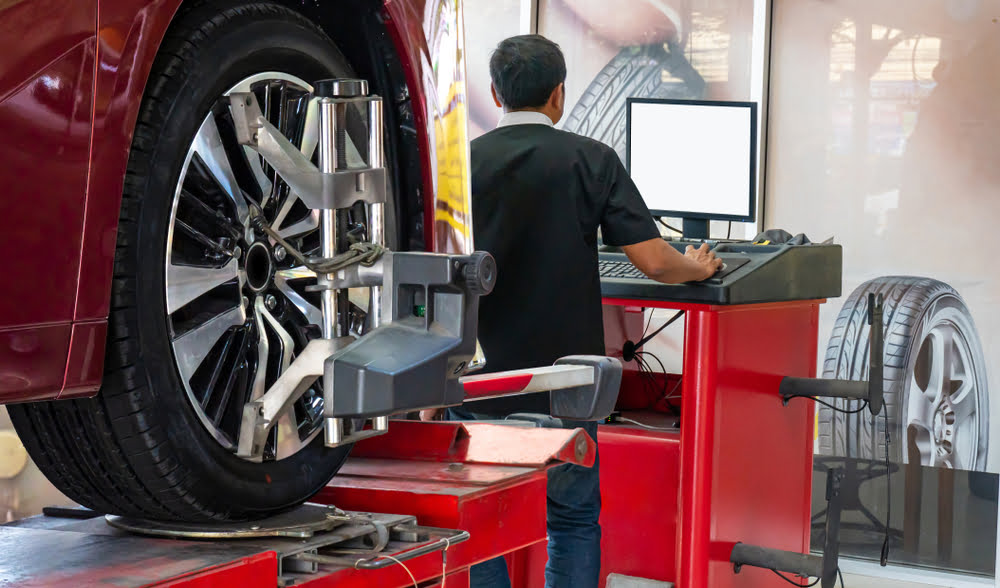
a mechanic sits in front of a computer with a tire alignment machine behind him, showing the difference between tire balancing vs alignment

If suspension issues aren’t fixed through a tire alignment, the car will become increasingly hard to handle and will begin to vibrate. This will take the tires down the road of no return because of inconsistent wear.

With that said, the cost of bad tire alignment your team may forget to share with customers is this. According to Investopedia, poor tire alignment reduces gas mileage by around 10%. If gas costs $4 a gallon, that’s a loss of $0.40 for every 20-30 miles a person drives. That can really add up.

Signs that a car needs a tire alignment include:

  • Veering
  • Tires squealing
  • Uneven or faster-than-expected tire wear
  • The steering wheel tilts to one side when driving if you’re not fully controlling it
  • Vibrating steering wheel, especially when speeding up

Tire balancing vs alignment maintenance recommendations are as follows. Your customers should get a tire balance every 5000-7000 miles (or based on manufacturer recommendations). Alignment should be checked that often but may not be needed every time. Tire alignment is typically done at least every two years or more if the vehicle shows signs of misalignment.

Type of Wheel Weights

Tire balancing vs alignment isn’t the only vs. decision to consider. There are several types of wheel weights and choices for you and your customers. Choosing the right type is essential to vehicle function. A poorly fitting weight could block the brakes or impact steering.

Adhesive vs. Clip-on. Clip-on wheel weights are placed correctly and then hammered to seal the clip. On the other hand, adhesive wheel weights have an adhesive strip you can remove and press down onto a clean surface. Some wheels have wheel flanges that aren’t deep enough for clip-on weights, making adhesive ones the only option.

P Type vs AW Type vs MC Type, etc. Another way wheel weights are categorized is rim gauge, with different letters representing the different rim gauge sizes on the vehicle’s make. For example, P Type is the most common for steel wheels. W Type is for Buick, Chevrolet, Chrysler, and Dodge, among others.

SVI International, Your One-Stop-Shop for Tire Changer Parts Solutions

As a leading tire changer part supplier, SVI International has everything you need to help your customer’s cars stay maintained, aligned, and balanced, like:

You can count on our unwavering commitment to excellence in product and service. To learn more, call us at +1(800) 321-8173 or fill out our quick contact form today.