In-Ground Car Lift vs. Above Ground Lift

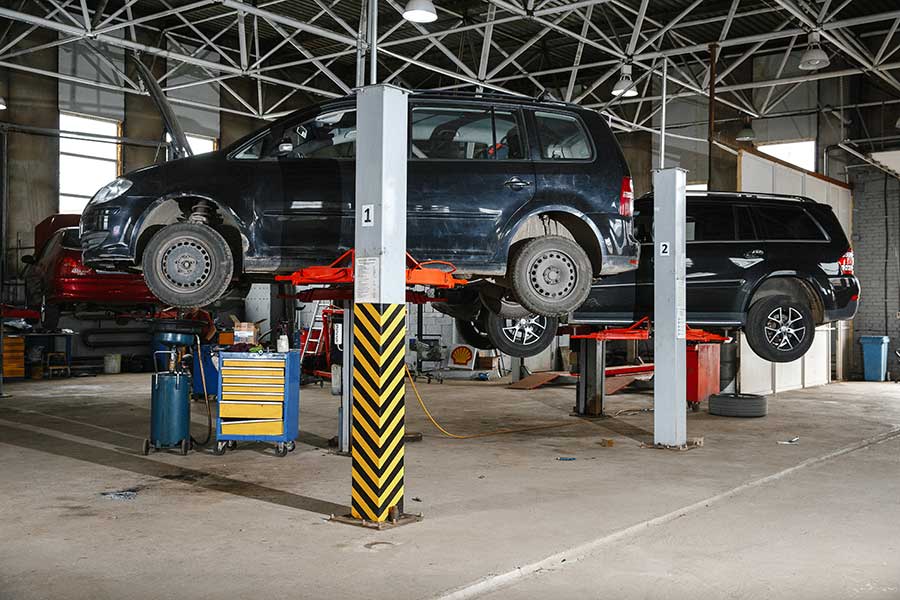
in-ground car lift

Few pieces of equipment are as crucial to automotive repair as vehicle lifts. Lifts are essential for large repair garages, body shops, and makeshift garage workshops.

Service and repair bays thrive one the usage of vehicle lifts properly chosen to complement the bay’s specialty. As vehicle lifts are one of the most critical investments shop owners make, differentiating between various kinds and selecting the proper lift is extremely important. Where can one begin to choose the best piece of equipment? This blog is a good place to start. In the content below, we discuss and compare in-ground and above ground lifts – ultimately, we hope to guide you to an informed vehicle lift selection.

In-Ground Car Lift

In-ground lifts are commonly found in large automotive repair shops. As the name suggests, in-ground lifts are installed in the ground and can be hidden under a shop floor in disuse. Thus, when a vehicle is not in service, the garage looks clean and orderly. In-ground lifts require more installation time and steps than above ground lifts, discussed below. However, the initial installation time period is often overlooked due to many overarching advantages, including the ability to descend into the floor, flexibility to choose frame or wheel engaging varieties, low cost of ownership, extreme durability, and safety.

Three primary in-ground lifts are considered below:

Single Post Lifts

Single post vehicle lifts are simple to use, safe to operate, and environmentally friendly. These lifts can handle most domestic and imported vehicle models. Ideal for front-end and suspension work, in-ground single post car lifts are commonly found in professional shops and home garages. Many single post lifts boast a load capacity of about 8,000 pounds, lifting at specifically intended pick-up points on a vehicle’s undercarriage.

Side-by-Side Twin Post Lifts

Similar to single post, twin post lifts are simple and safe. However, a second post allows for heavier lifting capacity via even distribution of weight on the front and rear columns.

Heavy Duty Fore-and-Aft Lifts

Heavy duty fore-and-aft lifts are reliable and economical to operate, known for their durability over time. For example, certain shops still utilize heavy duty lifts installed decades before. Heavy duty lifts can hoist virtually any vehicle, regardless of size or weight. As mentioned, large automotive repair shops often utilize heavy duty fore-and-aft lifts for major fixes – heavy duty lifts can often hoist over 16,000 pounds.

Above Ground Lifts

As the name implies, above ground lifts are not installed within the concrete shop floor, allowing for quick installation and mobility. Two primary above ground lifts are available on the market: 2-post and 4-post. While the number of lift columns is one clear distinction, post lifts are designed with different strengths for specific automotive applications. While one lift is not objectively better than the other, selecting a 2-post lift or a 4-post lift will largely depend on your specific needs.

2-Post Lifts

2-post lifts are one of the most common lifts available. Nearly every quick, “drive through” automotive shop will utilize a 2-post lift, as this variety is excellent for quick drive in, fix, drive out repairs. Small shops and amateurs or at-home vehicle enthusiasts commonly choose 2-post lifts, because they are generally cost effective. 2-post lifts can be considered symmetrical, asymmetrical, or versymmetrical, defined by differing post and lift arm characteristics. For example, symmetrical 2-post lift columns face each other directly, both arms taking 50% of the lift load. Asymmetrical lift arms differ in length. Versymmetrical lifts combine characteristics of symmetrical and asymmetrical varieties, able to lift light cars, trucks, vans, and SUVs within a single bay.

However, compared to 4-post lifts, 2-post lifts have relatively light load capacity, perfect for smaller vehicles. 2-post lifts are frame-engaging, utilizing four arms to lift vehicles at intended undercarriage lift points. The versatility of four lift arms can accommodate a wide range of lift points. Finally, 2-post lifts take up little space – thus, they are a common choice for personal garages, small shops, or repair bays with many lifts in a single location.

4-Post Lifts

4-post lifts are commonly used for two primary purposes: to hoist heavy vehicles or store one vehicle above another. Due to the addition of two columns, 4-post lifts have greater lift capacity than their 2-post counterparts, excellent for lifting vehicles up to 40,000 lbs. While not as cost effective as smaller, 2-post lifts, 4-post lifts are common among vehicle enthusiasts because they do not require permanent anchorage to the floor. Thus, 4-post lifts are both durable and mobile. If one does decide to anchor the lift, many lifts can be permanently cemented to the ground.

4-post lifts are drive-on, rather than frame engaging, making them easy to utilize. The vehicle must simply be driven onto the lift, without positioning lift arms into specific undercarriage points. These lifts are a favorite of automotive repair shops, as they provide easy access to the undercarriage of the vehicle. Utilizing rolling jacks, technicians can perform wheel and brake work as well.

SVI International, Inc.

At SVI International, we are the leading car lift manufacturer and shop equipment parts provider in North America, offering high-quality equipment for most makes and models of automotive equipment. With three ready-to-ship warehouses, we understand that down time is unacceptable in the automotive repair industry. This is why we cover the entire country with affordable, fast delivery – guaranteed.

One characteristic that sets us apart is our “can do” attitude. No matter how new or old your equipment may be, we have the parts you need to make your shop run smoothly. You can explore our entire inventory of lift repair parts by make and model or explore our entirely new automotive lifts.

We are industry problem solvers. With over 40,000 repair parts, 50 product lines, and 2,000 distributors, we know custom. If you are in need of a repair part but are unsure where to begin, feel free to contact our team at (800) 321-8173. We’re always just a phone call way.
Lubrication Systems Types and Features 

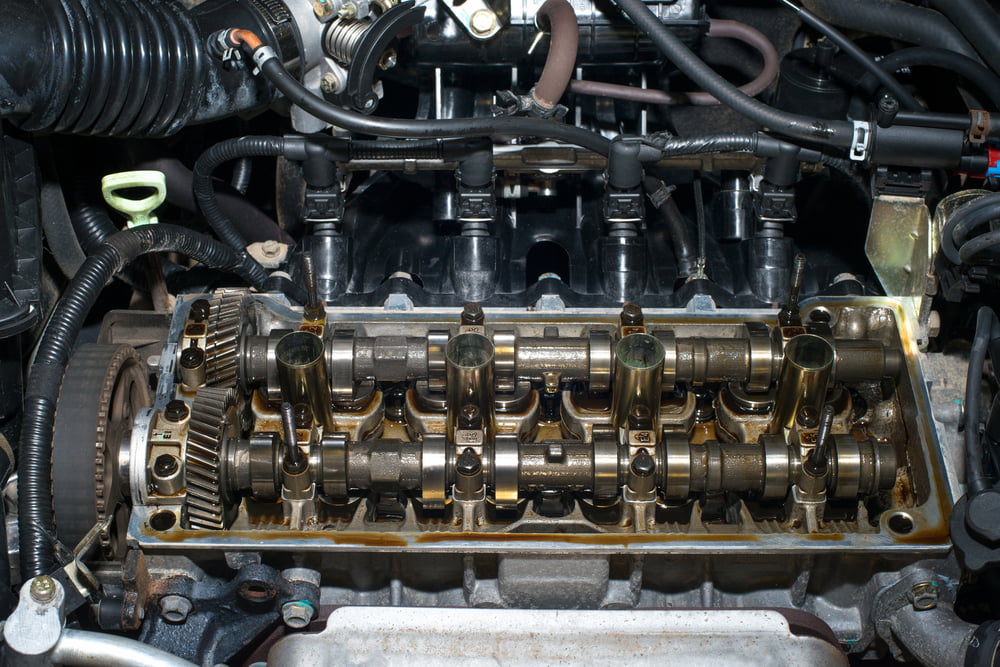
internal combustion engine benefited by lubrication systems

What are Lubrication Systems?

Simple machinery works well with an occasional squirt of oil. On the other hand, an engine in a complex machine needs continual lubrication to function properly. Internal combustion engines have built-in lubrication systems, but other engines use an external lubrication system. Lubricating systems continually dispense lubricant into the machinery in just the right quantities to keep an engine running smoothly.

Functions of Lubrication Systems

Lubricating systems vary depending on the size and type of engine. However, they all have the same basic functions. When a mechanism is turned on, the lubrication system’s pump automatically supplies oil to the crankshaft and camshaft bearings. The oil then flows through groves on the crankshaft’s main bearings, traveling to the sump, through holes in the connecting rods, and on to the piston and cylinder.

Lubricating System Components

Lubrication systems have eight main components. These are the oil sump (also known as an oil pan), oil pump, oil filter, oil strainer, oil cooler, oil level indicator, oil pressure gauge, and oil pressure indicating light.

The oil sump holds oil and covers the crankshaft. The oil pump supplies oil to parts under pressure. The oil filter removes grit and dirt particles from the oil as it circulates. The strainer stops dirt and grit from getting into the oil pump.

The oil cooler prevents the lubrication oil from overheating. This keeps viscosity levels high, so the oil can circulate through the system with ease. The indicator enables you to measure how much oil is in the lubricating system while the indicator shows if an oil change is needed.

Types of Lubrication Systems

There are five main lubrication systems used in motor vehicles. These are the petroil lubrication system, the pressure lubrication system, the semi-pressure lubrication system, the wet sump lubrication system, and the dry sump lubrication system.

Petrol Lubrication System

This is the simplest lubrication system and is typically used in motorcycles and scooters. The oil is added to the vehicle’s fuel, and it lubricates the bearing surfaces, piston rings, cylinder walls, piston pins, and other engine components when it passes through the vehicle’s crank chamber.

Pressure Lubrication System

A pressure lubrication system distributes lubricant to the engine under pressure feed. The oil moves from the sump into the pump to lubricate the main bearing. In the process, some of the oil is also splashed on the cylinder walls while the rest goes into the crank pin. From the crank pin, the oil lubricates the piston rings, timing gears, and camshaft.

Semi-Pressure Lubrication System

Much of the oil in a semi-pressure lubrication system is circulated in the same way it would be in a pressure system. However, some parts of the engine are also lubricated via the splash method. A scoop at the lowest end of the connecting rod dips into oil every time the crankshaft makes a full revolution. The oil is then splashed onto the cylinder walls.

Wet Sump Lubrication System

Wet sump oil systems are safe and don’t have many parts to repair or maintain. What’s more, the oil doesn’t have to travel far from the sump to the parts that need lubrication. When a wet sump lubrication system is running, the oil goes from the sump to lubricate different moving parts of an engine before dropping back into the sump.

Dry Sump Lubrication System

In a dry sump lubrication system, the oil is kept in a separate tank rather than the sump. Vanes sweep the oil from side to side to lubricate moving parts in the engine.

Types of Machine Lubricants

There are four types of machine lubricants: grease, oil, dry lubricants, and penetrating lubricants. Oil and grease are by far the most common. Oil is used to lubricate hinges, bearings, and sharpening blades. It’s also used for tool maintenance. It’s ideal if you need to lubricate something without taking it apart. Grease, which is thicker than oil, is used to lubricate gears, bearings, chains, and linkages. It’s the perfect lubricant if you need to seal out dust and moisture, and/or if you have a tool you need to keep lubricated even though you don’t use it very often.

Dry lubricant is typically applied with spray equipment. It’s used on locks, hinges, threaded rods, tiny parts, and surfaces exposed to high heat and/or pressure. Penetrating lubricants are used to break up rust and remove chewing gum and adhesive stickers from various surfaces.

How Much Oil or Grease to Use?

The amount of oil or grease you should use in a lubrication system depends on the system type, the type of lubricant, and how often the system is used. Check the owner’s manual to know how much and which type of lubricant to use for your lubricating systems.

Maintenance Needs for Lubrication Equipment

Lubrication equipment needs more than lubrication. It also needs regular maintenance. The lubrication system’s strainer needs to be cleaned and emptied regularly. You’ll want to periodically check your system’s hoses for cracks and holes. The tubes and pipes should be checked for signs of breakage and the connecting points should be examined for leaks. Once a year, you’ll need to replace the suction and pressure filters and clean the screens. If the wrong lubricant is added to the lubrication system or the system hasn’t been used in some time, you will need to use a waste oil pump to remove old oil before adding new lubrication. If you need new lubrication system components, SVI offers a huge array of parts to meet any auto shop’s needs. Our two ready-ship warehouses are on standby, ready to mail your order right away to ensure you get the parts you need without undue delay. Get in touch with us to find out more about our services or inventory, or to request a free quote.

Mechanical vs Electric Fuel Pumps: Benefits & Uses    

Every vehicle has a fuel pump that moves fuel from the gas tank to the engine. Not only is the pump responsible for moving the fuel to the engine, but it also regulates the pressure.

A failing fuel pump can cause significant issues to a vehicle’s drivability and performance, including the car’s inability to start. However, most fuel pumps are designed to last the vehicle’s lifespan, so you generally will only have to replace them after you hit 100,000 miles.

We will discuss the differences between a mechanical vs electric fuel pump and the uses and benefits of both types.

What Are The Differences Between a Mechanical and an Electric Pump?

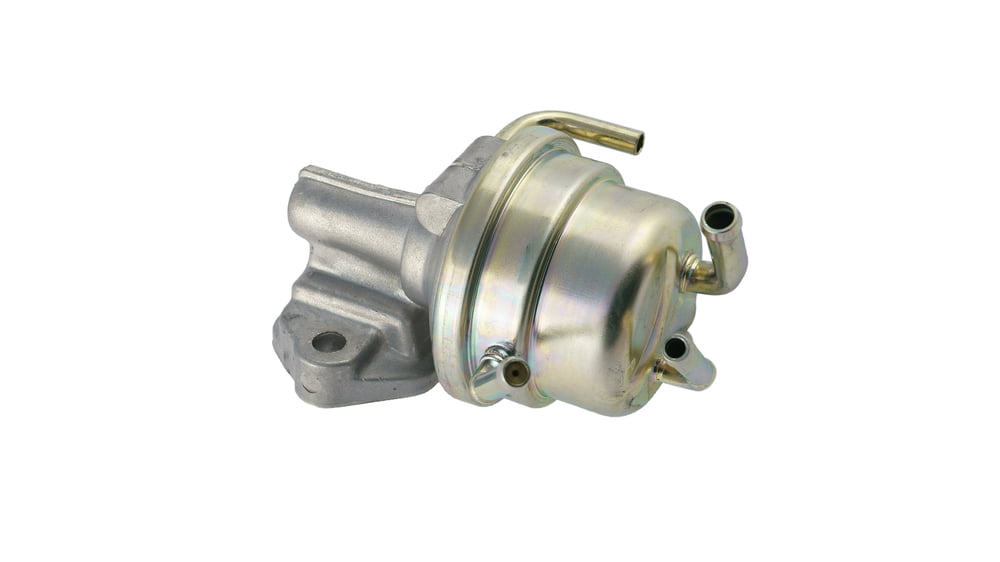
Mechanical fuel pump - mechanical vs electric fuel pump

As with most equipment today, there’s a push toward digital and electrical options, as they’re generally faster, more accurate, and easier to use. However, regarding fuel pumps, there are benefits to both mechanical and electrical, as well as negatives.

Mechanical Pump

If your shop works on many older vehicles, you’re probably familiar with mechanical pumps. Older cars have mechanical fuel pumps powered by a crankshaft and driven by a motor. A small arm moves, which tightens and loosens the pump’s diaphragm, creating the vacuum that powers the pump. These older cars need the mechanical pump near the engine driving the crankshaft, which is less flexible than electrical pumps.

In some applications, mechanical pumps are being replaced by electric fuel pumps because of their pressure threshold. Mechanical pumps are limited to a pressure of up to 6 psi, while electric pumps can operate with pressures of up to 40 psi. However, older cars and equipment aren’t generally built for the high-pressure output from electric pumps, so mechanical pumps may still be the right choice for older vehicles.

Mechanical fuel pumps are known for being reliable, quiet, easy, and perfect for older engines with carburetors. However, one drawback to mechanical fuel pumps is the possibility of vapor lock in the fuel line. Vapor lock, when fuel turns into vapor before it reaches the pump, happens when the engine or exhaust system gives off excessive heat. If this happens, the car will stall, and you may have problems restarting the engine.

Electric Pump

Newer vehicles use an electric fuel pump because they have direct fuel injection systems instead of a carburetor. The electrical pump’s higher pressure is perfect for this application.

Because electric pumps use electric power, they can be located in the fuel tank, which is much more flexible than a mechanical fuel pump. In addition, the position of the electric pump eliminates any possibility of a vapor lock, which is a significant benefit.

Like mechanical fuel pumps, electrical fuel pumps are simple and reliable. However, replacing them can be difficult, as you must drain and remove the fuel tank. In addition, many times, electric fuel pumps have ineffective filters, with no way to change them easily. Other potential issues include the likelihood of rust or sediment in the fuel and prolonged heat exposure diminishing the pump’s lifespan.

Additionally, a significant drawback of electrical fuel pumps is the fire risk due to an unknown leak. Therefore, if you smell fuel or hear whining from your tank, it’s imperative to inspect it immediately.

Best Uses for a Mechanical Pump

While all new production vehicles have a fuel injection system (meaning they include an electrical fuel pump), there are still plenty of uses for a mechanical pump.

You’ll need an engine-mounted mechanical fuel pump if your vehicle has a carburetor (most cars before 1990). The low-pressure mechanical pumps don’t require a regulator and work on engines with around 450 horsepower.

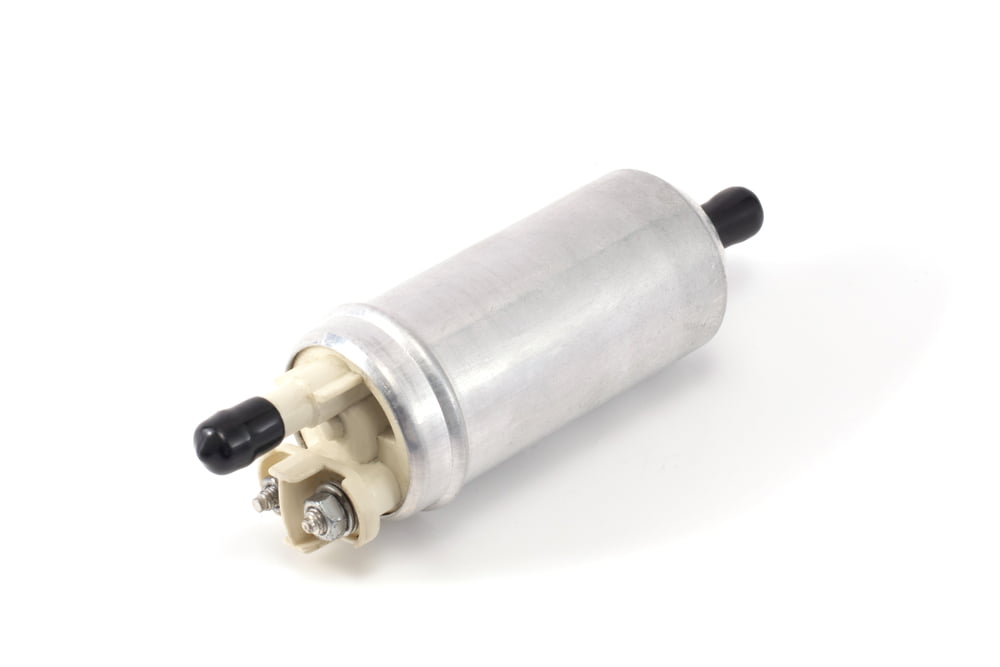
electric fuel pump - mechanical vs electric fuel pump

Best Uses for an Electric Pump

Almost all newer models of cars with a fuel injection system require an electric fuel pump. However, because of the higher pressure of an electric pump, you’ll likely need a fuel pressure regulator.

Cars with engines above 450 horsepower and up to 2,000 horsepower will need an electric pump. Other options include belt-drive fuel pumps and an EFI sump, but unless you’re dealing with extreme-performance sports cars, you likely won’t need to consider these.

What Should My Fuel Pressure Regulator Be Set At?

When deciding between a mechanical vs electric fuel pump, you may want to consider the need for a regulator. If you have a mechanical pump, you don’t need a fuel pressure regulator, but all fuel-injected vehicles require one. A regulator ensures that your fuel injectors or carburetor receive the proper fuel pressure.

While every system is different, some standard settings are:

  • Carburetor/Mechanical Pumps: 6 PSI
  • Fuel-injection system/Electrical Pumps: 40 PSI
  • While these are standard suggestions, verifying with your manufacturer is always best.

What Fuel Filter Should I Use?

When considering a mechanical vs electric fuel pump, you should also consider the required fuel filters. Mechanical and electrical fuel pumps require different fuel filters. While a mechanical fuel pump will do well with an inline fuel filter, electric fuel pumps also need a pre-filter.

Mechanical pumps usually need a 40-micron filter as the inline fuel filter between the carburetor and the pump. However, most mechanical fuel pumps don’t require a pre-filter, an added benefit.

On the other hand, electrical pumps require a pre-filter, such as a 100-micron filter. The recommended post-filter is 10 microns to protect the fuel injectors adequately.

Some filters also have a built-in regulator, which can be an excellent all-in-one solution.

SVI International- Your Source for Automotive Equipment Repair

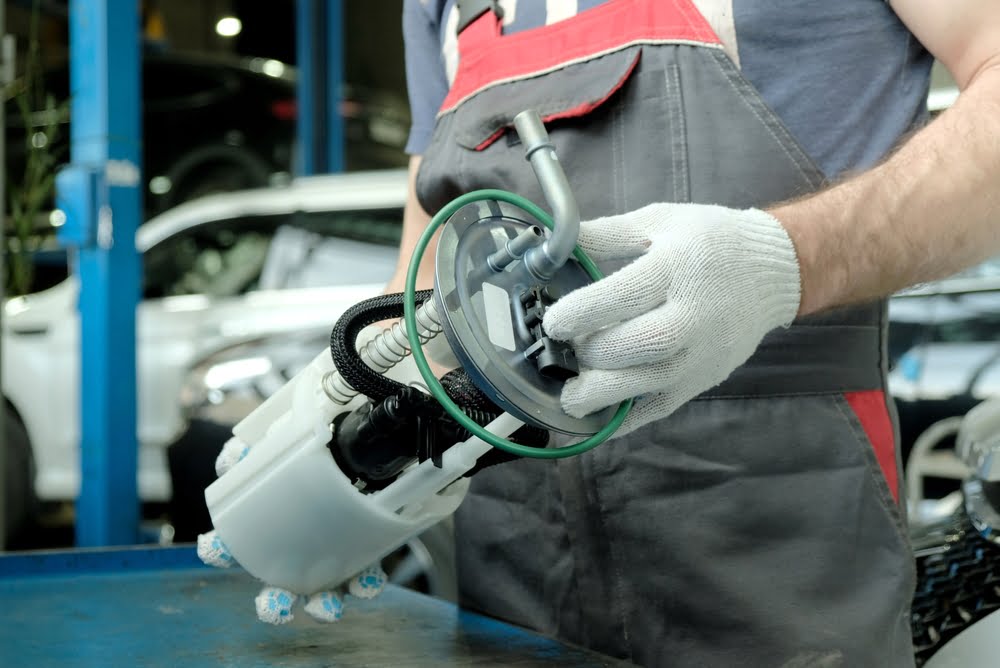
A mechanic wearing white gloves installs and electric fuel pump after learning the differences between mechanical vs electric fuel pumps

Whether you’re a new shop or you’ve been around for decades, having a reputable auto equipment repair partner is key. With almost 50,000 products, including parts for brake lathes, auto lifts, tire machines, and petroleum equipment, SVI is your one-stop shop for your equipment repair needs!

While SVI offers its own brand of automotive equipment, we also supply many aftermarket products for your needs! So don’t let a simple repair keep your shop from running effectively. In addition, SVI offers same-day shipping on many of our products from our Chicago and Los Angeles warehouses. So, contact the experts at SVI International today! We look forward to helping you find the right parts for your needs and keeping your shop on target.

Minimum Ceiling Height for Car Lifts: 2 Post Lifts and More

Many vehicle enthusiasts dream of owning an automotive lift, sitting in their garage, waiting to be utilized. Perhaps a young entrepreneur with a wealth of vehicle knowledge decides to invest in property and open an auto repair shop or body shop. The first step is finding the best low ceiling car lift.

Exploring the ideal ceiling height for car lifts can be complex, especially when dealing with low-ceiling spaces. In either scenario, the garage or shop may have a low ceiling, limiting the number of high-quality, safe lifts available. However, if you own a shop with low ceilings, a number of excellent auto lifts are available to you. In the following content, we seek to guide those in the market toward the right auto lift for their shop with low ceilings.

Understanding Ceiling Height for Car Lifts

Every car lift has a height limit. This denotes how high the lift can rise. It does not include the average height of a vehicle, which ranges from 4.5 to 5.2 feet. It also doesn’t include space for ceiling fans or light fixtures. When in doubt, it’s wise to allow additional ceiling height space rather than come up short.

What is the Minimum Ceiling Height for Car Lifts?

low ceiling car lift

Before exploring auto lifts for low ceilings, you need to measure your space. Exactly how low is your shop ceiling? Keep overhead hazards, such as lights, in mind when measuring. To safely install a lift in your shop, the ceiling should be at least 11 to 12 feet. While measuring the height from floor to ceiling, quickly examine your floor. Vehicles are heavy – and lifts are heavy. However, many will work adequately on a typical concrete slab one might find in a garage – between 4 to 5 inches thick. Once you have measured the ceiling to ensure an auto lift is safely possible, explore the two options listed below.

2 Post Car Lift Height Requirements

The 2 post car lift height requirements range from 11 to 12 feet. This clearance requirement is higher than the minimal ceiling height for a scissor lift but lower than needed for a four-post car lift.

Auto Lifts for Low Ceilings

Options are limited if you don’t have the required clearance space for a two-post lift. However, that doesn’t mean there are no lifts for auto mechanic shops with low ceilings. Low-rise and mid-rise scissor lifts can be ideal in such situations. Mechanics won’t be able to stand under such lifts, which isn’t ideal. However, your crew will be able to access the undercarriage, wheels, and vehicle body. What’s more, these lifts can handle a range of personal vehicles. Low-rise scissor lifts, for instance, can hold up to 10,000 lbs. in weight, while mid-rise lifts can hold up to 6,000 lbs.

1. Low Rise, Two-Post Auto Lifts

Two-post auto lifts are extremely common for their versatility and ease-of-use. Selecting a low-rise, two-post lift is often an ideal, cost-effective option for auto shops with low ceilings. How do two-post auto lifts function?

Frame-Engaging Structure

Two-post lifts lift vehicles with four arms, designed to hoist the vehicle on specifically intended lifting points. Two-post lifts are adaptable. A small, low shop, perhaps with enough room for a single lift, will benefit from a two-post lift with the ability to lift a wide range of lift points and vehicles. Due to their easy-to-use functionality, two-post lifts are commonly found in “drive-through” shops, where getting in and out quickly is prioritized. Because two-post lifts hoist vehicles via designated lift points, technicians working in low ceiling shops have greater access to the undercarriage of the vehicle – for engine or transmission work – than when using wheel-engaging lifts.

Furthermore, two-post lifts are excellent for small, light vehicles, such as light trucks, vans, and cars – the kinds of vehicles usually repaired in low-ceiling shops. Keep in mind, most two-post lifts have a maximum lifting capacity of about 20,000 pounds.

Symmetrical vs. Asymmetrical Two-Post Lifts

Regardless of ceiling height, symmetrical or asymmetrical two-post lifts can be utilized. The vehicle’s position in relation to the lift columns is the primary difference between the two varieties. Simply put, symmetrical lift columns are symmetrically positioned in relation to the vehicle, while asymmetrical lift columns are positioned at an angle.

Ceiling Height Requirements for Other Car Lifts

The minimum ceiling height for full-rise scissor lifts ranges from 8 to 10 feet. On the other hand, the minimum ceiling height for car lift is 12 to 14 feet if you pick a four-post lift.

Durability

Most two-post lifts must be anchored to the ground. While this limits mobility, it adds durability, important for a low rise, two-post lift positioned in a low ceiling shop.

2. In-Ground Lifts

In-ground lifts are an additional auto lift option perfect for low ceiling shops. Why? Simply put, in-ground lifts are installed into the concrete floor, allowing for complete retraction into the floor when in disuse. For years, these lifts have been a component of automotive shops, known for their resilience. In-ground lifts can be frame or wheel engaging, allowing for the benefits of frame-engaging lifts.

In-Ground Single Post Lifts

In-ground single post lifts are the safest piece of equipment available for any shop. Especially in small or tight work environments, safety is an absolute priority. Along with safety, flexibility is a crucial component of the right auto lifts for a shop with low ceilings. In-ground single post lifts afford this as well, providing a range of functionality greater than most other lifts. Finally, single post in-ground lifts are small, invisible when retracted into the floor.

The FS-10 is an excellent example of a small single post lift perfect for a shop with low ceilings. The FS-10 is reliable, functioning how you intend, every time. The lift is safe to operate and environmentally friendly. Furthermore, the lift is frame-engaging, allowing for full access to the vehicle’s undercarriage in a low ceiling environment.

In-Ground Side-by-Side Lifts

In-ground side-by-side lifts resemble two-post lifts in look and feel. However, in-ground side-by-side lifts are permanently installed into the floor and, of course, retract. Like single post lifts, side-by-side are extremely safe. With SVI’s exclusive automatic locking system, these lifts easily conform to OSHA inspector scrutiny and exceed industry standards.

The FSDT-28 is an example of a frame-engaging, side-by-side lift with a lifting capacity of 12,000 pounds. At SVI, we label the lift “BBLM” technology. This means the FSDT-28 has brute strength, is built simple, creates little problem, and is made to last! Again, the lift is simple to operate and is environmentally friendly.

In-Ground Heavy Duty Fore-and-Aft Lifts

Finally, in-ground fore-and-aft lifts are commonly utilized to lift heavy duty vehicles. Health and safety officials suggest the use of SVI’s MPTP safety legs, bringing the lift into complete compliance with current OSHA standards. Even a small auto shop with low ceilings should be confident when the safety inspector arrives. Most importantly, using the right auto lift keeps your technicians, customers, and yourself safe while working and walking throughout in the shop.

The 2P-102 is an example of a small fore-and-aft lift, utilized for passenger cars or light trucks. Unlike the previous examples, the 2P-102 is axle engaging. This lift offers a unique feature – an adjustable front cylinder for various wheelbase lengths. For certain low ceiling shop applications, the 2P-102 may be the best option.

Factors to Consider for Ceiling Height and Car Lifts

If your ceiling is just a bit too low for a 2- or 4-post car lift, it may be wise to see if you can raise fixtures to increase your ceiling height. Replacing low-hanging fixtures can give you the bit of extra room you need to install the lift of your choice.

At the same time, ceiling height isn’t the only factor that needs your attention. There are minimal concrete flooring requirements to ensure your lift remains stable when in use. You’ll also need to make sure you have enough floor space for mechanics and tools.SVI International offers a huge selection of high-quality car lifts and lift parts to meet the needs of any auto repair shop. What’s more, we have three ready-ship warehouses that offer same-day shipping to ensure you get your order as quickly as possible. Get in touch with us to find out more or to get a quote for specific lifts or lift parts.

Low Ceiling Car Lifts with SVI International

At SVI International, we are dedicated to quality. As industry leaders in repair parts for automotive and industrial equipment, we offer 40,000 repair parts from 50 product lines ranging from car lift parts to brake lathe parts and more. Our products are distributed between 3 warehouses, scattered across the country, allowing for fast, reliable shipping.

Beside repair parts, we are known as the problem solver in the industry. We understand custom. Whether you’re looking for specialty lifts, repair parts, or innovative products, we welcome you to reach out today. Get in touch at (800) 321-8173 or via our online contact form.