16 Essential Auto Repair Shop Equipment List

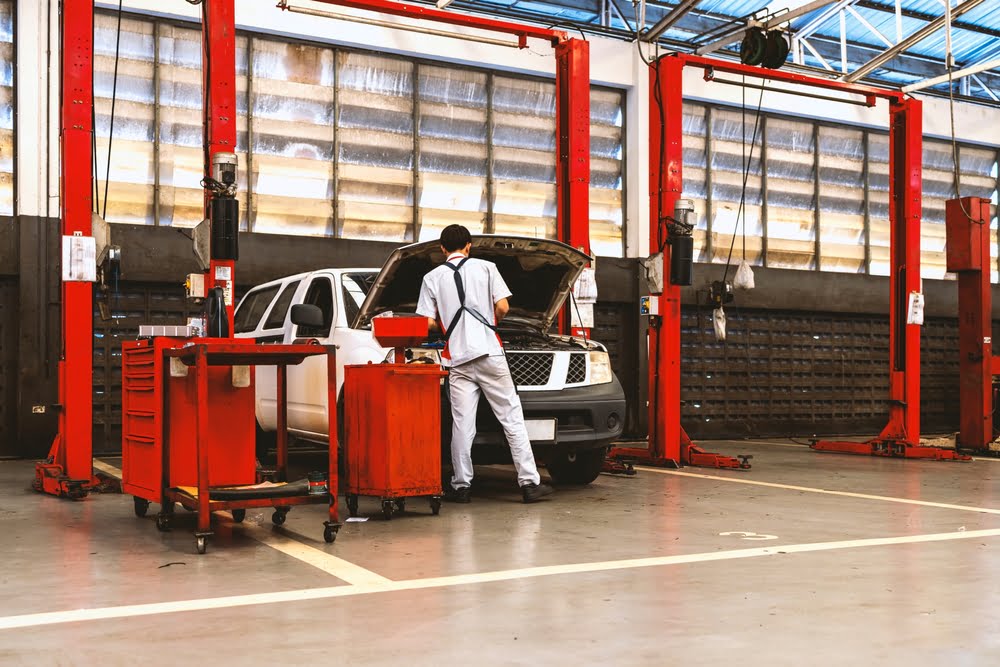
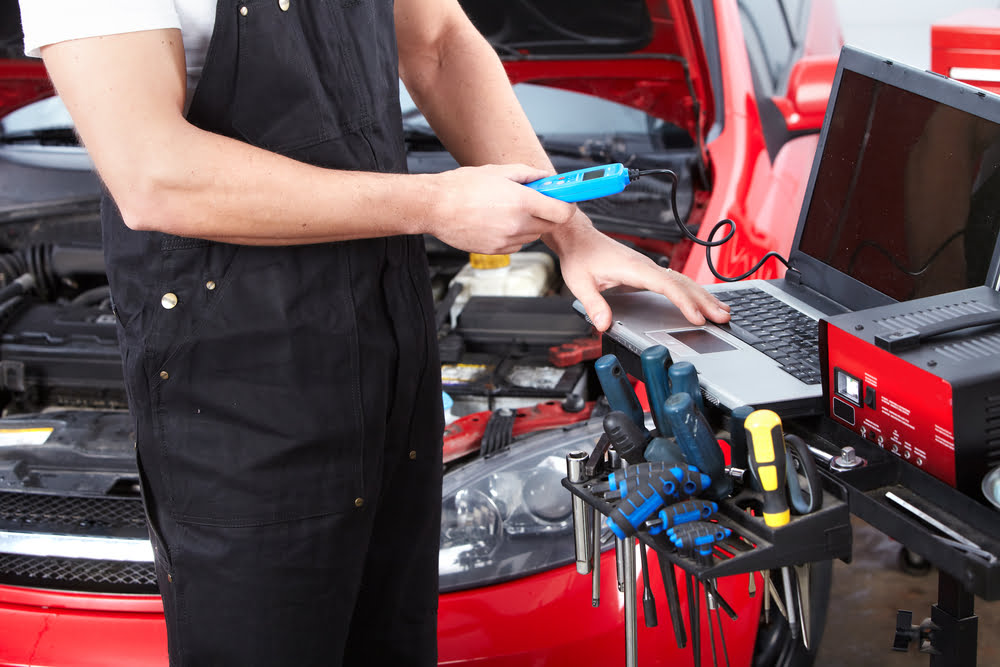
mechanic standing next to a tool chest filled with essential auto repair equipment

Choosing the right equipment for your auto shop can spell the difference between a successful business and one that struggles to scrape by. You need to know not only which equipment is most important but also where, when, and how to buy it in order to get your business started on the right foot.

When to Start Purchasing Equipment for Your Auto Shop

It’s a good idea to make an auto repair shop equipment list before you open your shop. Don’t buy things “just in case” but do buy every single item you’ll need for the services you intend to provide. Shopping in advance enables you to provide the best possible service to new customers. It also helps you save money as you can take the time to find good deals and special offers.

New vs Used Equipment for Your Auto Repair Shop

When you buy new equipment, you’ll know beyond a shadow of a doubt that it will work well. Plus, you’ll have warranty coverage if something goes wrong. However, purchasing all-new tools and equipment can be a huge expense for any new business, which is why many new auto shops purchase at least some items used. If you plan on going this route, you’ll want to choose a seller with care and thoroughly inspect each piece of equipment to make sure it’s in good working order.

1. Tire Changers

A tire changer is one of the most important pieces of equipment for any new auto shop. Take some time to consider the options before picking that one that best meets your needs. You’ll also want to make sure you have a reliable parts supplier to keep your changer in good working order at all times.

2. Transmission Jack

While it’s important to have basic floor jacks, at times something more robust is necessary. If you plan on offering services where you will need to support large transmissions, consider purchasing a transmission jack. You should be able to find several additional uses for a transmission jack, as having it around will come in handy anytime you need to hoist something heavy.

3. Wheel Alignment Machine

Wheel alignment is an important, in-demand service that can significantly increase your revenue stream. To choose the right machine for the job, consider your floor space, flexibility of the model in question, and the pros and cons of choosing a computerized machine.

4. Hydraulic Press

If you’re in need of crushing or bending metal material, look into the expensive, but useful hydraulic press. With this, you can separate rusted parts and straighten bent metal, which can really speed up certain repairs.

5. Air Compressor

Air compressors are pneumatic systems that convert power into pressurized (compressed) air. An air compressor is necessary to operate many other essential tools around the shop, so choosing a reliable, powerful air compressor is important. It can help clean dust and dirt behind engine blocks with its pressurized air. In addition, a quality air compressor helps clean many mechanical parts, such as behind the fissures inside rotors. 

A high-quality air compressor also allows you to operate many tools in your shop, such as air ratchets, airbrushes, sandblasters, paint sprayers, air saws, and sanders. Lastly, garages with tire inflating tools can’t function without air compressors. Air compressors generate air pressure, which helps to inflate tires. Choosing a suitable air compressor can improve your productivity.

Get the highest capacity you can afford to be sure you have the power you need for powering your shop’s needs. For many auto shops, a 60 or 120-gallon compressor is sufficient.

6. A/C Machine

An A/C machine will allow you to service A/C units. The demand for this service is especially prevalent in warmer months. Look for a system that will recover, recycle, and recharge air conditioning systems.

Having an air conditioning machine in your shop will make flushing and diagnosing air conditioning systems quicker and more reliable.

Of course, skip this purchase if you don’t plan to offer A/C servicing.

7. Jacks and Jack Stands

Jacks and jack stands are used to temporarily lift a vehicle off the ground to complete repairs. In many auto repair shops, floor jacks are regularly utilized. Like your air compressor, this purchase is one of the most important.

Floor jacks come in various sizes with differing capabilities. A 2-ton jack is sufficient for simple jobs; however, purchasing a larger jack isn’t a bad idea. The ideal capacity should reach about seventy-five percent of the vehicle’s overall weight. Weight ratings are usually found on a driver’s side doorjamb sticker. 

The most common car jacks are the scissor, floor, screw, bottle, and farm jack. We recommend buying a high-quality, highly-recommended jack system that can accommodate vehicles of various sizes.

8. Digital Vehicle Inspection Technology

Though not absolutely necessary, purchasing a system that can run a thorough diagnostic on a customers’ vehicle will give your auto shop an automatic edge among your competition. The tool is helpful for your technicians and can assist in customer relations. A straightforward inspection report can help explain why a certain repair is needed.

9. Oil Drain/ Oil Caddy

Changing oil or transmission fluid – among the most common auto shop services – requires an oil caddy. Oil caddies are available in a variety of fluid volume capacities. To choose the best option for your shop, determine the largest fluid volume you anticipate handling. For example, do you plan to work on RVs or SUVs? Purchase a caddy to meet this capacity.

To increase efficiency, consider buying a standing oil caddy. A standing caddy can be utilized when a vehicle is on a lift, allowing you to complete additional repairs while the oil is draining. Though a standing caddy is not a must-have, it certainly optimizes oil and transmission fluid changes.

10. Oxygen-Acetylene Torch

If you service an area with a lot of environmental moisture, you can expect customers to come in with rusty vehicles. An oxygen-acetylene torch is used to fix rust issues efficiently. In drier areas, this piece of equipment is not vital.

11. Press

There are many reasons for using a press in your automotive repair shop, including separating rusted parts, straightening bent parts, and compressing used oil filters.

However, having access to a press in your shop will give you much more.

A press has a dozen uses in the auto shop. Made to deform workpieces under high pressure, a shop press is often used to press parts together, such as fitting bearings into housings. Presses can be purchased with between 1 and 30 tons of pressure. For an auto shop, a 30-ton press is ideal.

12. Brake Lathe

As the name implies, brake lathes are designed to effectively and efficiently service brakes. Another one of the most common reasons a customer may come to your auto shop.

When doing brake jobs, it lowers your shop’s productivity if you have to take drums or rotors to another service to resurface.  Buying a brake lathe for your shop will make brake services more efficient and profitable, so the investment quickly pays for itself. 

Be sure to purchase a high-quality name-brand lathe to ensure the availability of replacement parts when needed. 

Additionally, identifying a trusted brake lathe parts provider will eliminate wasted downtime in the event that your lathe fails.

13. Strut Compressor

A strut compressor is essential if you’re fixing a vehicle’s suspension. The compressor reduces the size of the springs, making them easier to remove.

Because every vehicle needs new struts around 70,000 miles, offering the service can be lucrative. Purchase a strut compressor that can handle the variety of vehicles you plan to service – the investment is well worth the return.

You need to find a sturdy, durable tool that won’t compromise your safety because handling springs can be dangerous.

14. Engine Hoist

If your shop plans on doing any transmission or engine work, you’ll need an engine hoist. An engine hoist can lift engines, transmissions, and other parts out of the vehicle. 

There are a few different engine hoists, including hydraulic, chain engine, and electric hoists.

Consider the weight capacity when deciding what engine hoist to purchase for your shop. Standard weight capacities for engine hoists are 1- and 2-ton, although there are higher weight capacities for larger engines. 

Many shops purchase a 2-ton hoist even though they don’t plan on working on engines that size. Going with a higher weight capacity is a good idea in this circumstance. 

15. Battery Charger/ Jump Box

Once again, your battery charger will be one of the most-used items in your shop. Vehicles need to be jumped constantly. We recommend purchasing a high-quality, name brand battery charger – the best you can afford. With the frequency of use, purchasing a cheap battery charger or jump box is ultimately a waste of money and will have to be frequently replaced.

16. Vehicle Lift

Last but certainly not least, the vehicle lift is one of the most critical pieces of equipment found in an efficient, profitable auto repair shop. Depending on the vehicles you plan to service, you may need a light lift, a small equipment maintenance lift, a heavy-duty truck lift, or a combination of these options.

There are several types of automotive lifts to consider, including 2-post, 4-post, scissor, portable, in-ground, alignment, and mobile column lifts. To purchase the right lift for your shop, you’ll need to know how much space you have and what type of vehicles you’ll be repairing. With a variety of lifts to choose from, it is invaluable to read a guide to car lift types to determine which is best for your shop. Be sure to buy high-quality and name-brand lifts to ensure the availability of parts and service. Lifts are essential for your repair shop, built to last many years.

Extra Auto Repair Equipment & Tool Needs

Hand Tools

Hand tools may be small, but they’re important. You’ll use them for just about any auto repair job. Some vital ones to have on hand include screwdrivers, wrenches, hammers, breaker bars, pry bars, chisels, a tire pressure gauge, and a battery charger.

Power Tools

Every auto shop should have a good drill driver kit and impact wrench. Other important power tools include a torque wrench, strut compressor, an oxygen-acetylene torch, and digital vehicle inspection tools.

Safety Equipment

A fire extinguisher is a must for any auto repair shop. You’ll also need safe waste receptacles to dispose of flammable and/or toxic garbage. Your mechanics will need safety gear such as gloves, safety goggles, work overalls, and steel-toe work boots.

SVI: Trusted, American-Made Vehicle Lifts

Managing an auto repair shop is no small task, but SVI can make your job easier by giving you easy access to top-tier auto repair shop tools, tool replacement parts, and more. We have two ship-ready warehouses to send out orders within 24 hours of receipt. We offer a huge selection of supplies to meet the needs of any new business owner.

At SVI International, we are the lift industry’s leading supplier of parts, known for our high-quality, American-made products. With over 40,000 products, we serve as a one-stop-shop for equipment parts, lifting equipment, RELS brake lathes, and much more.

We are trusted by auto shop owners across the country – and we would love to talk to you about how we can help meet your auto shop equipment needs. To get in touch with a team member, give us a call at (800) 321-8173 or fill out our contact form. We look forward to speaking with you!

Complete Guide on Using a Tire Machine  

A tire machine is a must for any commercial garage or tire shop. The tire machine saves time, provides a safe way to change a tire, and ensures that tires are repaired and mounted properly.

A tire changer is used to complete the entire process of changing a tire. When you know how to use a tire machine, It helps in the dismounting, deflating, changing and mounting of the tire.

Different Types of Tire Changers

There are many different types of tire changers available. Until the 1990s, tire changers used a center post mounting system. The tire and wheel assembly were lifted onto a threaded center post.

Today, there are different approaches to tire changers. They typically use one of two different operating systems.

Hydraulically operated changers use hydraulic fluid and compressed air to press on the tire, releasing it from the wheel. Manually operated tires require a technician to press down on a lever and at times move it to break the bead.

Here’s a look at five common tire changers.

Swing Arm

In commercial tire shops, the swing arm tire changer is the most common. It comes with four adjustable jaws on a tabletop that give a wide range of clamping capability. Each of the jaws can be adjusted simultaneously for more precise clamping.

Jaw covers provide enough mounting torque to protect the wheels during the changing process. These changers are easy to use and affordable but do require unscrewing of the machine head to deal with different tire types.

Tilt Back

This style typically has an internal clamping capacity of 30 degrees and an external capacity of 28 degrees, making them easier to use on larger tires.

Leverless or Touchless

These are another common type used in tire shops. They are typically more expensive than swing arms and tilt backs but well worth it.

There’s very little training necessary and staff can get up to speed quickly. They are also very efficient at removing and mounting tires. For tire rotations or switching tires among wheels, there’s no bead damage, too.

One of the most popular features is the changer’s ability to handle heavy rims, lifting, and setting them down with ease. There’s no need for manual heavy lifting, a popular feature in busy shops.

Heavy Duty

For larger vehicles used in agriculture, construction and mining, this changer type is common. They can accommodate wheels up to 56 inches in diameter and tires up to 90.5 inches in diameter. Newer versions can handle tires up to 95 inches using hydraulic systems and a self-centering four-jaw chuck.

Motorcycle

Specially made to handle motorcycle tires, this changer is simpler and can handle much smaller tires and wheels.

Before deciding to purchase a tire machine, it’s important to know about the different kinds of tire changes and how to use a tire machine.

Steps to Using a Tire Machine

a mechanic removing a tire from the warehouse wall

No matter what type of tire machine is being used, the basic steps for changing a tire are the same. Understanding the steps and instructions for your tire changer is critical to ensure the machine is used properly and safely.

Safety

Safety is the most important task when it comes to a tire changer. Learn about the machine itself, first, knowing about the various components and how they operate. For example, see what kind of foot pedals there are and how many.

Always use safety glasses when operating a tire changer. And avoid clothing that could get caught in the machine. Gloves may be helpful in operating some, but not all, changer types.

Other key safety considerations are to ensure that the tire is the right size and construction for the machine you’re using and do not exceed the manufacturer’s recommended pressure level when inflating.

Deflating the Tire

Start by removing the valve stem cap and remove the valve core. Then deflate the tire completely. If the tire is just going to be patched and not balanced, mark locations on the valve stem and wheel weights. If another tire is going to be installed, be sure to remove wheel weights from the wheel before installing the new tire.

Place Rim on Tire Changer

You next need to place the wheel on the tire changer. Be sure the tire is facing in the right direction. You’ll next need to unseal the tire beads from the bead seats. A foot pedal is used with a bead breaker arm, which should only be in contact with the tire, not the rim. The wheel is then turned around to break the bead on the other side.

Clamp the Wheel

You’ll next want to clamp the wheel using either inside or outside clamps. Inside clamping uses the rim with jaws that expand outward and lock the wheel in place. Outside clamping is used to avoid damaging the rim and clamps the outside flange on the outside of the rim.

Remove Tire from Wheel

Once the wheel is clamped in, it’s time to take the tire off. You lower the duckhead onto the flange and ensure the bead breaker is well inserted. Then you begin to activate the turntable. The top bead will be pulled over the outside of the rim, followed by the bottom bead.

Inspect the Tire & Wheel

You’ll want to inspect the inside of the tire if not replacing it, looking for cuts, objects or loose cords. Also inspect the rim to see if there are any cracks, dents, sharp edges, or other damage.

Valve Stem Replacement

Remove the old valve stem with a puller or knife and install a new stem. Thread the new stem and lubricate it before ensuring it’s properly sealed.

Mounting

Whether remounting the old tire or mounting a new one, make sure the right side is facing out. Add lots of tire lubricant to the circumference of both beads.

Twist the tire so the bottom bead is at an angle before activating the turntable. Do the same for the top bead.

Inflating a New Tire

Inflate the tire to the proper pressure using the manufacturer’s guidelines. Be sure to unclamp the wheel once the beads are sealed and before doing the inflating.

Replacement Parts for Tire Machines

With the amount of wear and tear on a tire machine, it’s inevitable that there will be a need to repair or replace worn-out parts. At SVI International, Inc., we’re the leader in equipment parts for garages and tire shops. Shop by make or model to find the parts you need and get them delivered fast.

We offer parts by all the leading manufacturers, including All Tool, AMMCO, FMC, Hofmann, Hunter, John Bean, Snap-On, and Tuxedo.

To learn more about our complete line of tire machine replacement parts, including plastic protection inserts and covers and cylinder seal kits, visit us today.

mechanic showing how to use a tire machine

Effective Employee Training in Hydraulic Lift Repair

Mechanic preparing to use hydraulic lift for repair

Common Issues With Hydraulic Lifts

Are you finding it difficult to pay for the recurring expenditures of having professionals inspect the major machinery in your shop? If this describes the situation in your company, then it may be time to reconsider how and what you teach your employees.

Workers who have received hydraulic lift repair training will be able to spot potential problems with these critical pieces of equipment. They’ll be able to undertake routine maintenance, which will help you keep your workplace safer and extend the life of your lifts.

It’s a given that auto body shops benefit from hydraulic lifts in a number of different ways. However, there will occasionally be some issues with utilizing them, as is the case with every gadget. The most frequent problems are listed below.

Faulty Oil Sensor/Low Oil Levels

Due to its vital function in monitoring hydraulic oil levels and pressure, a faulty oil sensor is a common problem with hydraulic lifts. Incorrect lift operation, system damage, and safety issues can result if the sensor fails to detect low oil levels or pressure changes. Proper and safe operation of hydraulic lifts depends on timely maintenance checks and sensor replacements when needed.

Because of oil leaks, poor maintenance, or insufficient replenishment, low oil levels are another common issue with hydraulic lifts. Sufficient oil is necessary for hydraulic systems to work properly and support large weights. Reduced lifting capability, slowed operation, and potential damage to components are all possible when oil levels fall below the recommended minimum. In order to prevent poor functioning and preserve a lift’s safety, oil levels need to be checked often and topped up as needed.

Ballooning Tubes

Ballooning tubes are another common problem in hydraulic lifts, especially when they’re working at high pressure or when the system sees frequent pressure spikes. Tubes and hoses are used in hydraulic lifts to move hydraulic fluid across the system. If the pressure within the tube is higher than its maximum capacity, the tube may expand, or “balloon.” There are a few issues that can arise from this ballooning.

For starters, it can lead to a drop in hydraulic pressure; this can negatively impact the lift’s efficiency and effectiveness. Second, wear and even leaks can be caused by the inflating tubes rubbing against other components or surrounding surfaces. Over time, the additional strain on the tubes can weaken them, raising the prospect of failure and, by extension, the risk of accidents.

Tube inflation can be avoided if the lift’s pressure is maintained within safe parameters and pressure spikes are kept to a minimum. In order to discover and rapidly replace weaker or broken tubes, routine examination and maintenance are critical. Lift operators can keep their hydraulic lift operations safe and efficient by proactively addressing the above concerns.

Seal and Bearing Issues

Because of how they work, hydraulic lifts often have seal and bearing problems. Seals prevent hydraulic fluid leaks, while bearings keep moving parts stable in hydraulic lifts. Pressure, friction, and the elements can all contribute to the gradual deterioration of these seals and bearings.

Inadequate seals can cause hydraulic fluid to leak, reducing system performance and even posing safety risks. There’s also the potential for environmental damage due to leaks. In a similar vein, bearing wear and degradation can increase friction, which, in turn, reduces lift performance, increases heat, and hastens the wear of other parts.

Preventing these types of problems requires regular maintenance, such as checking for leaks and replacing worn seals and bearings. The durability of seals and bearings can be improved with lubrication and correct alignment. Seal and bearing issues should be identified and repaired as soon as possible to maintain the safe and dependable functioning of hydraulic lifts, extend their useful life, and reduce the need for maintenance.

Hydraulic Cylinder Problems

Because hydraulic cylinders play such a key role in the lifting process, problems with them are common in hydraulic lifts. The power required to raise massive, heavy objects is supplied by these cylinders. Cylinder failure can develop over time for a number of reasons.

Cylinder seal failure (see above) is a common issue that can cause hydraulic fluid to leak out and impair lifting capability. Hydraulic cylinders are sensitive mechanical devices, and internal damage caused by contaminated hydraulic fluid can limit performance and pose safety issues. Continual pressure and friction during operation can also cause corrosion and wear on the interior components of the cylinder.

hydraulic lift repair

In order to anticipate and prevent cylinder issues, it’s essential to perform routine maintenance, such as seal inspections and fluid checks. Significant problems can be avoided with regular fluid filtering and prompt repair of defective seals. Lift operators who have been trained to recognize the symptoms of cylinder trouble — like strange noises or sluggish performance — are better able to avoid costly breakdowns and maintain the reliability of hydraulic lifts.

Techniques for Training Your Employees on Hydraulic Lift Repair

In order to ensure the competence and safety of workers, training in hydraulic lift maintenance needs a holistic approach. Methods that have been shown to be useful in training include:

• Instructor-Led Workshops

Workshops organized by experts in the field can be held to show how repairs should be done and what precautions should be taken.

• Online Courses

E-learning systems can provide interactive modules and quizzes to teach students the theory and background they’ll need to repair hydraulic lifts.

• On-the-Job Training

Training in the workplace by observing and working with more experienced specialists is helpful.

• Simulators and Virtual Reality

Cutting-edge training technologies like simulators and virtual reality can guide workers through simulated repair scenarios, so you can see how well they handle problems in a safe, contained setting.

• Training Manuals and Documentation

It’s a good idea to develop comprehensive guides and reference materials outlining maintenance practices, security precautions, and troubleshooting advice.

Safety Training

In order to lessen the likelihood of accidents and injuries, it’s crucial to provide workers with safety training.

• Regular Assessments

It’s wise to maintain a steady regimen of reviews and tests to measure employee learning and pinpoint problem areas.

• Continuing Education

Motivate your employees to keep up with the newest repair methods and technology by sending them to workshops, seminars, and industry conferences.

Employers can ensure their workers have the expertise to repair hydraulic lifts in an efficient and safe manner by combining all of the above methods of instruction.

Regularly Needed Maintenance for Your Hydraulic Lift (Monthly vs Annually)

Hydraulic lifts need to be serviced regularly to guarantee safe and reliable functioning. Here are monthly versus yearly maintenance requirements for hydraulic lifts:

hydraulic lift repair

Monthly Maintenance

• Monthly inspections should include checking hydraulic fluid levels, checking seals and hoses for leaks, and making sure everything is aligned correctly.

• Bearings, pivot points, and cylinders can all benefit from being lubricated on a regular basis to cut down on friction and wear.

Monthly Maintenance Cont.

  • Limit switches and emergency stop buttons, among other safety features, should be tested monthly to ensure they’re working properly.
  • Getting rid of dust and filth from a lift’s surface and parts can help extend its life and keep it running smoothly.

Annual Maintenance

  • All lift parts, the hydraulic system, and your building’s structural integrity should be checked out thoroughly as part of an annual comprehensive inspection.
  • To avoid leaks and other problems, you should replace your seals and hoses on a yearly basis. To keep everything running well, you should change your lifts’ hydraulic fluid once a year.
  • In order to guarantee a lift’s capacity is up to code and to identify any performance concerns, load testing needs to be performed.
  • Hydraulic lifts can be kept in ideal shape, with little downtime and maximum user safety, by undertaking a combination of monthly and yearly maintenance.

Hazards of Hydraulic Lifts Parts

Hydraulic lifts include a number of moving elements that can cause injury if they’re not handled with care. Potential dangers of hydraulic lift components include:

• Hydraulic Fluid Leaks

Accidental spills of hydraulic fluid can lead to injuries from slips and falls for both workers and customers.

• Faulty Seals

Bad seals can lead to fluid leakage, decreased lifting capability, and even system failure.

• Malfunctioning Valves

Injuries can occur as a consequence of sudden, unanticipated movements caused by faulty valves, such as jolts or falls.

• Hydraulic Cylinder Issues

Problems with hydraulic cylinders can result in unexpected collapses, inappropriate lifting, or instability.

• Electrical Hazards

Inadequately maintained lifts with electrical components create risks of electrical shocks, short circuits, and fires.

• Pinch Points and Entrapment

Crush injuries can occur at pinch points caused by moving elements such as hinges and scissor mechanisms.

• Overloading

Both the cargo and the operator are at risk if a lift is overloaded and collapses or tips over.

To reduce these risks and guarantee the safe operation of hydraulic lifts, routine inspection, maintenance, and operator education are essential.

One company that can help with hydraulic lift maintenance is SVI Parts. SVI is the largest provider of repair parts and equipment for automotive, car, truck, and bus service lifts found in vehicle maintenance facilities throughout North America. SVI Parts can supply more than 40,000 lift-related parts for hydraulic lift repair. SVI Parts has 46 years of experience as well as professional expertise in handling hydraulic lift problems. To get the help you need for your hydraulic lifts, email or call SVI Parts today.

Standard vs Custom Built Hydraulic Cylinders 

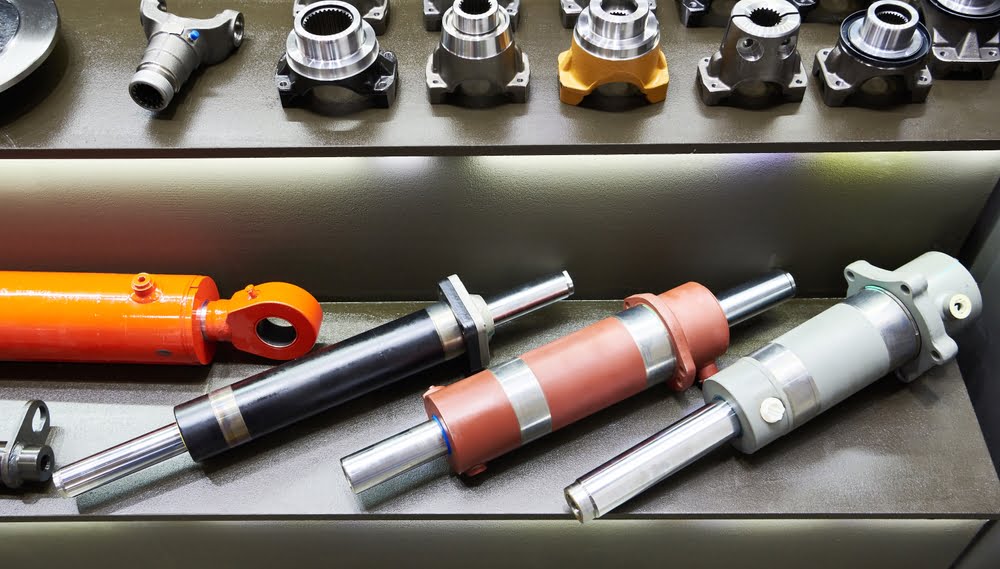
custom built hydraulic cylinders | custom hydraulic cylinder

Deciding what type of hydraulic cylinder to use for your business can be a difficult task. A standard hydraulic cylinder can be ready to ship quickly, but might not deliver the best requirements. A custom hydraulic cylinder may be just what you need, but it can take time to be fabricated and delivered to your business. As an auto shop owner, you need to find the best solution so that you are able to keep your operations running smoothly and help customers get their vehicles back in a timely manner.

In this article, we’ll break down the advantages and disadvantages of both standard and custom-built hydraulic cylinders so that you can determine which is best for your applications and which should be the priority for your business.

Standard Hydraulic Cylinders

A standard hydraulic cylinder refers to the off-the-shelf models of hydraulic cylinders that are available and accessible when needed. However, these cylinders are not necessarily simplistic or basic. Instead, they can be a perfect fit for your hydraulic applications and can easily be obtained when needed. They are capable of accomplishing many basic operations and are a great, easy solution for many different industries.

A standard hydraulic cylinder can be made with any type of material, including high-end steel and other high-quality materials that work either as OEM components or OEM cylinders. If something happens to your hydraulic cylinder and you need a replacement, all you need to know is the manufacturer and product number to order a standard cylinder and get your equipment running again.

Custom-Made Hydraulic Cylinders

The alternative to the standard hydraulic cylinder is the custom-made hydraulic cylinder. These are not a standard size but instead are customized to fit your individual hydraulic cylinder needs for equipment and machines. These cylinders are developed with specific purposes, loads, and lift capabilities in mind. Because they are specially designed with specific operating conditions in mind, they can take into consideration things like climate, elevation, movements, weights, and functions that a standard hydraulic cylinder cannot.

A custom-made hydraulic cylinder can be made of virtually any material that is able to provide hydraulic functions. All of the component materials, compact design elements, mounting options, and other efficiency components can be modified to accomplish a specific purpose. You should also consider your team engineers before ordering a custom hydraulic cylinder, as certain factors like workflow, turnaround, experience, and innovations should also be taken into consideration as you search for a hydraulic cylinder option.

Advantages & Disadvantages of a Standard Hydraulic Cylinder

The major advantage of having a standard hydraulic cylinder is the time that you can save obtaining them. Standard hydraulic cylinders are readily available and can be purchased off the shelf, which comes in handy if you need to repair your hydraulic cylinder quickly. You can use them as replacements for OEM cylinders and components.

Another benefit is the cost of a standard hydraulic press. Because they are mass-produced and available off the shelf, the cost of purchasing one is much lower than a custom solution. You can also save time and money by quickly utilizing them, rather than waiting for a custom-built hydraulic cylinder to be manufactured.

standard hydraulic cylinder

However, there are some distinct disadvantages to a standard hydraulic cylinder. They may need more maintenance if they are used for operations or procedures that they weren’t built to handle. You also might lack the third-party authorizations needed for certain industry standards to be met, such as in off-shore or marine industries.

Advantages & Disadvantages of a Custom Built Hydraulic Cylinder

The significant advantages of a custom built hydraulic cylinder come from the flexibility and customization benefits you can get by developing your own system. When you construct a hydraulic cylinder from scratch, you are able to build all of the specific qualities that you need for operations. Everything from component materials to mounting alternatives are part of the planning and development process, so you can specify everything you need to complete project objectives.

Another important benefit of custom built hydraulic cylinders is the durability of the end product. You can know the specific purpose of the cylinder before crafting it, so you can create a strong, durable cylinder made of the best materials for the specific purpose it will be used for. You can plan for high pressure in deep sea areas or high temperatures for use near furnaces and heat sources. This can help the cylinder last longer than a standard cylinder trying to do tasks that it wasn’t designed for.

It’s important to keep in mind, however, that there are disadvantages to using custom built hydraulic cylinders. They can be very expensive to manufacture and develop. While it could be argued that they pay for themselves over time, they still have high upfront costs that can be hard to swallow. They can also slow down operations as they take time to develop and manufacture, rather than the off the shelf options with standard hydraulic cylinders.

A custom cylinder will also need to be created by someone who has experience in engineering and designing custom hydraulic cylinders. Knowing how to balance all of the variables and create something that will work for its intended purpose is a difficult task, especially for teams that haven’t created custom hydraulic cylinders before.

Replacement Parts for Your Hydraulic Cylinder

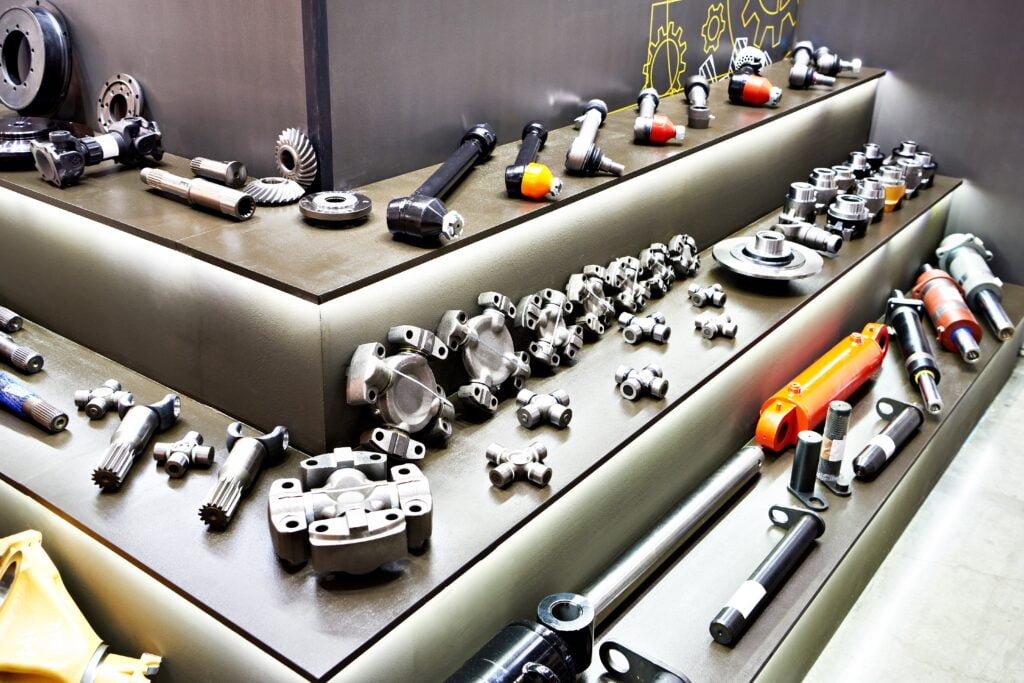
custom built hydraulic cylinders | custom hydraulic cylinder replacement parts

Obtaining replacement parts for your hydraulic cylinder is an important part of ensuring that your business operations can run smoothly. Without the right parts, you can end up slowing down operations more so than being productive and accomplishing goals. As a shop owner, having a hydraulic cylinder is key to daily operations and delivering a great customer experience. At SVI International, we want to help you get the parts you need in order to keep operations flowing and make your customers happy. To learn more about our products and solutions, visit SVI International for yourself and discover how we can help you today.