
Benefits of Preventive Maintenance on Your Lubrication Systems  

Lubrication Systems 

Direct contact between two metallic surfaces causes friction, producing heat. These moving parts sustain increased wear and tear as a result. When a small layer of lubricant separates them, the moving parts do not make contact with each other, reducing the amount of wear and tear. While lubricants can be solids, liquids, or gasses, liquid lubricants are used for engine lubrication systems.

While most mechanics know the importance of proper lubrication, many do not have a preventative maintenance plan to protect against mechanical failures or equipment damage.

Why Lubricating Systems Preventive Maintenance is Important

If you don’t have a proper preventative maintenance plan for your lubricating systems, chances are you’ll deal with equipment failures, roller bearing damage, bearing failures, or mechanical failures. A regular oil analysis program keeps your equipment in tip-top shape and avoids potential component failures.

For example, a consistent oil analysis program can diagnose numerous issues, such as coolant or fuel leaks, and determine additive levels. In addition, the data that you uncover from oil analysis helps you eliminate future lubrication issues.

Lubricating System Maintenance: What To Check For

Now that you know the importance of performing preventative maintenance on your lubricating system, you must understand what things to check. First, it’s crucial to store lubricants in a properly sealed container to prevent potential clogs in the system. Also, only recommended lubricants should be used, so avoid those with additives, as they can clog your system.

A solid preventative maintenance program includes the following items:

  • Ensure you clean the lubrication reservoir occasionally but avoid using cotton rags.
  • Confirm that the suction filter is replaced annually while the screens are cleaned annually.
  • Empty and clean the strainer often.
  • Replace the pressure filter annually.
  • Scan all of your flexible hoses for holes, cracks, or breakdowns.
  • Inspect any tubing or pipes for breaks or flattening.
  • Review all the connection points for leaks and tighten connections if applicable.
  • Monitor the system for unusual increases or drops in pressure.

Even after performing all of the above items, conducting an oil analysis on your equipment is a good idea. The condition of the oil is a reflection of how well the machine is working and functioning. And without that analysis, you may think that your equipment is efficient when there’s something significantly wrong.

Benefits of Oil Analysis on Your Lubrication System
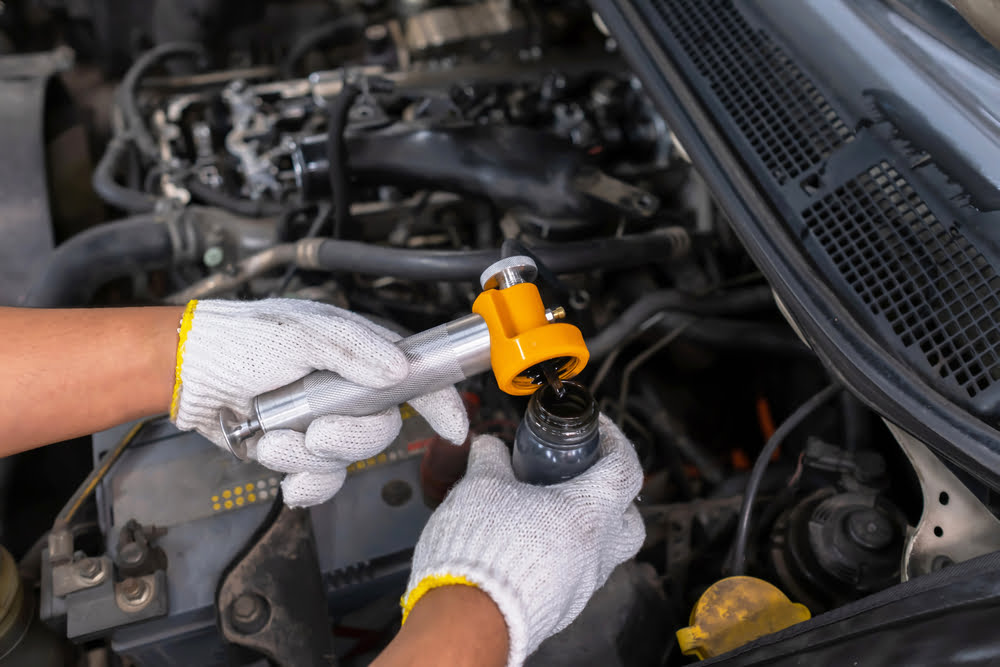
Oil analysis

Having a preventative maintenance schedule for your lubrication system and performing oil analysis gives you the necessary insights into the operation of your machines. Without this analysis, you may assume your equipment is efficient and running smoothly. The benefits of oil analysis on your lubrication system are included below:

A Detailed Explanation of Your System’s Performance

Instead of leaving your equipment to chance, oil analysis can provide a comprehensive breakdown of your system’s performance. This breakdown can detect specific contaminants and show what problems may occur from those impurities.

Unfortunately, some contaminants can cause severe issues, and without oil analysis, you wouldn’t know about the problems until it’s too late. For example, iron and aluminum can show cylinder or piston damage. And an antifreeze or water leak can strain the whole machine trying to push the thickened oil. If there’s water in the analysis, you are likely to have broken seals, or the equipment’s temperature is less than optimal.

Discover Problems Before They Happen

Oil analysis can save you time and money in the long run because it discovers problems before they happen. This comprehensive report of the lubricant in your equipment can indicate minor issues before they become significant.

For example, you can learn about specific types of wear and tear through oil analysis and any problems with the filtration system. If you have improper filtration, it can lead to costly repairs in the future.

Less Downtime and Fewer Extensive Repairs

Any minor issues will likely go unnoticed if you don’t perform preventative maintenance on your machines. But unfortunately, those minor issues often become massive over time, requiring extensive repairs. Not only do those repairs cost money, but they also cause downtime for your business.

Regular oil analysis can detect internal parts breaking down with high metal levels. In addition, the analysis can find potential cross-contamination with additive levels, particle counts, or even viscosity.

This regularly scheduled testing provides critical insights into the efficacy of your machines. These insights allow you to fix minor issues before they become extensive issues.

You can identify problems sooner and promptly and effectively address problem areas by routinely analyzing the lubricants in your machines. This ability will save the need for expensive repairs and unanticipated downtime.

The Extended Life of Your Equipment

Just like with anything, routine and proper maintenance increase your equipment’s chance of a long, useful life. Not only can oil analysis prevent extensive repairs, repair bills, and downtime, but it can keep your equipment running smoothly for an extended period.

And, when you have more efficient and better-running machinery, it’s less likely to need significant repairs over its lifetime. In addition, you likely won’t need to replace components quite as often as with less efficient machines.

Save Money

If oil analysis can help you avoid significant machine issues and long periods of downtime while extending the equipment’s life, you will inevitably save money.

This type of analysis is the easiest way to monitor the efficiency of your equipment. In addition, a consistent analysis program can reduce risk, uncertainty, and reactive work. Finally, because this program is used for predictive maintenance, it saves you money by preventing significant damage, reducing downtime, and decreasing the need for unplanned repairs. An oil analysis program increases production, efficiency, uptime, and equipment reliability.

Every mechanic needs an automotive repair parts partner, whether you’re a quick lube shop, brake shop, or muffler repair center. So let SVI be your partner! With over forty years as the premier supplier of repair parts, we are experts in what we do!
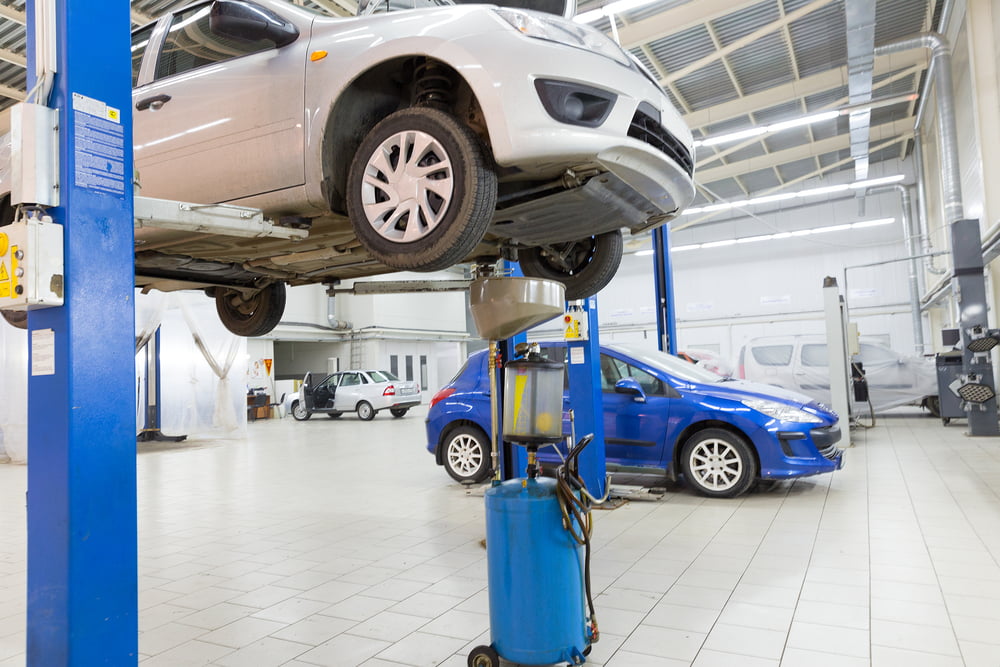
Hydraulic Equipment Care for Car and Truck Lifts  

Hydraulic Equipment

Hydraulic lifts and equipment are essential for any mechanic’s shop, but if you don’t keep up with the recommended maintenance, you may deal with leaks and other issues that cause downtime. Thankfully, maintaining your hydraulic equipment is easy and can keep your shop up and running with little to no customer delays.

Importance of Hydraulic Equipment Care

The importance of having a preventative maintenance program for your hydraulic equipment cannot be overstated. Waiting until you have a leak or necessary repair will cost you money and valuable time. In comparison, preventative maintenance of your hydraulic lift will prevent customer delays and keep your shop running efficiently.

Each manufacturer has specific maintenance requirements for their equipment. Keep these documents handy, and make hydraulic maintenance and care a part of your routine schedule.

A solid preventative maintenance schedule for your hydraulic car lift includes:

  • Keeping the system and drain lines clean of debris.
  • Checking the oil cooler and reservoir.
  • Examining cylinders and seals.
  • Inspecting hydraulic hoses, tubing, and fittings for frays or leaks.
  • Changing fluid filters regularly
  • Investigating hydraulic fluid for color, odor, or contamination.
  • Listening for loud knocking caused by cavitation in the pump.
  • Checking hydraulic fluid levels and adding hydraulic fluid of the same brand and viscosity grade.
  • Inspecting breather caps, filters, and fill screens.
  • Examining return/pressure/hydraulic filter indicators and pressure gauges.
  • Performing regular bleeding-off of air to prevent air contamination.

Common Hydraulic Lift Issues: What to Check for

If you follow preventative maintenance best practices, you probably won’t have any significant issues. However, if your hydraulic lift experiences problems, it may stem from a lack of comprehensive maintenance. These are the most common causes of hydraulic lift problems:

High Temperature

Most hydraulic equipment has hydraulic fluid that runs between 110-150 degrees, although some mobile systems run much higher.

While the hydraulic fluid is supposed to get hot when it runs through the pumps, tubing, and relief valves, if the temperature becomes too high, it can damage most seal compounds and accelerate the degradation of the oil. To prevent the hydraulic fluid from overheating, you must regularly check the oil cooler and outside the reservoir.

In addition, the high temperature can be caused by anything that increases its heat load or reduces the lift’s ability to dissipate the heat. So, it’s essential to monitor and maintain the reservoir fluid level. Also, removing any build-up of debris or dirt around the reservoir is crucial.

Lastly, any internal leak can increase the head load on the hydraulic equipment, so it’s vital to check the cylinder to see if it’s leaking past its seal or if a relief valve isn’t adjusted correctly. Once you determine the issue, you’ll need to replace any heat-generating auto lift components.

To prevent damage to your seals and increase the hydraulic fluid’s life, installing a fluid temperature alarm is a good idea.

Hydraulic Equipment Not Priming

Self-priming pumps prime themselves by drawing fluid from the tank below. While they usually function just fine, sometimes there’s a failure to prime. The most common causes of your hydraulic equipment failing to self-prime are:

  • Air leak
  • Debris in the impeller
  • Pump is airbound
  • Plugged recirculation port
  • The lift is too high for the pump speed

If there’s an air leak in the suction line, the air will be drawn into the pump instead of releasing enough to create a low-pressure area.

Also, if the impeller’s eye is full of dirt and debris, the impeller can’t create an area of low pressure.

If the pump is airbound, it could mean that there is no air release line, the discharge line is pressurized, or excessive clearance exists between the wear plate and the impeller.

When the priming process works correctly, fluid is recirculated through the casing. However, if the port is clogged with debris, the impeller’s eye can’t create the low pressure needed to pull liquid up the suction line.

Lastly, ensure you have the correct size pump for the suction line, as if you’ve underestimated the pump size, it won’t be able to prime. This failure to prime is caused by the inability to create the low-pressure area it needs.

Knocking Sound When Operating the Lift

When you hear a knocking sound while operating your auto lift, it’s most likely due to air contamination. An unsuitable air balance can lead to air contamination in the hydraulic fluid. In addition, fluid vapors can implode due to the force exerted on them, also called cavitation. This implosion of air bubble vapors causes a knocking sound.

If you have air contamination, you can open the valve and bleed the air until you see the liquid coming out. However, to prevent this from happening again, it is recommended to perform regular bleeding-off of air in the hydraulic car lift. Bleeding off air opens the air valves and releases enough air until there is even circulation in the pump.

The Auto Lift Won’t Go Up or Down

Unfortunately, despite your best maintenance efforts, sometimes mechanical issues happen. Although mechanical damage is expected, you can often fix it by replacing one or more auto lift parts.

The best way to prevent mechanical issues like your lift stalling (or not moving at all) is to check all movable parts on a routine basis. Ensure the appropriate components are greased, and any worn-out parts are replaced. Preventative maintenance of your hydraulic auto lift should keep your shop running smoothly!

Hydraulic Replacement Parts from SVI

A successful auto repair shop requires automotive knowledge, the proper equipment, and an excellent preventative maintenance plan. As a dedicated mechanic, you know the importance of having a reliable and trustworthy automotive equipment parts partner. With over forty years of auto equipment experience, we have what it takes to keep your hydraulic equipment up and running. So, let SVI be your partner if you need new hydraulic equipment or a replacement part. Request a quote from us today!

Mechanic Shop Cleaning Checklist: Complete Guide

Mechanic Shop Cleaning Checklist:

Having a clean and organized mechanic shop is essential to your customers and also vital to employee success. For example, if a customer enters a dirty waiting area or sees tools and equipment lying on the floor of the automotive bays, they may decide to take their business elsewhere.

Additionally, a technician working in a disorganized and dirty bay may be unable to find the right tool they need, causing the employee to take longer on the job. Or spilled beverages and automotive fluids can cause safety issues for the technicians, including slips and falls.

However, with a clean and organized environment, customers can trust the shop’s technicians and overall business. Also, the employees are more likely to have higher productivity and higher quality work.

So, now that you know the importance of a clean shop, let’s review the mechanic shop cleaning checklist:

Purchase Proper Cleaning Tools

You must first obtain the proper cleaning tools to have a clean shop. Many shops use chemical dispensing units for their ease of use, efficiency, and safety. These dispensing units provide quick access to properly mixed chemicals, ensuring that your technicians aren’t exposing themselves to more chemicals than necessary.

Use Mats

Mats are one of the easiest ways to keep your shop clean, safe, and productive. For example, shop mats can capture automotive fluids, so they don’t spread to the waiting area. In addition, placing mats at the entry points prevents the spread of dirt, grime, and debris.

Place mats at all entrances to prevent the spread of debris throughout the shop. Putting them in high-activity areas is also essential to reduce worker injury and catch any automotive spills. To keep the mats functional and effective, it’s a good idea to partner with a mat laundering service.

Stock Supplies for Potential Spills

Mats will help your auto shop maintain cleanliness, but it’s also essential to stock oil containment products nearby for any potential spills. A quick response to spills is necessary and having easy access to cleaning supplies is a must!

Designate a Home for Tools and Equipment

It’s integral for technicians to have a designated space to put tools when they are finished using them. When your shop has a home for each instrument, your technicians can quickly find the necessary tools, and the shop looks organized. Likewise, when you order new automotive repair parts or supplies, make sure that there is a designated place for them to go.

Use Approved Storage for Hazardous Materials

One often overlooked area in a mechanic’s shop is hazardous materials. This area will stay clean and safe if you use approved storage containers with securely closed lids and a proper fit. If you don’t have the correct containers, it’s necessary to purchase them as soon as possible.

Set up a Floor Cleaning Protocol

Not only is a clean floor safe for employees, but also for customers. While sweeping and mopping are essential, you must also use heavy-duty scrubbers to wash oils and fluids away. Ensure that you’re using the right chemicals and mops for proper cleaning.

Clean and Disinfect the Waiting Area

A clean and comfortable environment is the most critical element for your customers, so it’s essential to ensure it’s in top condition every day. Design a cleaning schedule for disinfecting the floors, chairs, and tables so your customers can be comfortable while waiting.

Sanitize and Clean Restrooms

Both customers and employees need a clean bathroom, including plenty of soap, toilet paper, and paper towels. It’s a good idea to have extra supplies on hand, so you don’t run out unexpectedly. Also, set up a daily reminder to sanitize and disinfect all surfaces.

Air fresheners are essential in public restrooms, and time-release systems are even better. They will reduce any unpleasant odors and keep your bathrooms smelling fresh.

Schedule Deep Cleanings

Daily cleaning is essential but doesn’t remove all automotive fluid build-up from the floor and other spaces. Power steering fluids, antifreeze, and lubricants can make the shop floor an unsafe environment for employees and customers, but it’s also unsightly.

If your shop doesn’t have the resources to deep clean all of the shop’s surfaces, there are plenty of service providers that specialize in automotive facility cleaning.

Declutter the Shop

If you have equipment, parts, or supplies in your shop that are broken or obsolete, it’s time to purchase the necessary repair parts or get rid of them. Not only do they take up extra space, but they add to a disorganized workplace.

Improve Employee Appearance

While employee appearance doesn’t dictate how qualified a technician may be, customers may be more willing to do business with clean, uniformed technicians. In addition, uniforms that show the shop’s name and employee name create a great first impression for the customers.

Plenty of rental services will launder and return freshly cleaned uniforms for the employees.

Promote Clean Hands

Technicians will inevitably have grease and oil on their hands after working on cars, so you must provide proper handwashing stations. Standard soap isn’t sufficient to remove oil and grease, so make sure you supply heavy-duty soaps and substantial paper towels.

Additionally, if your technicians perform more heavy-duty services, you must provide heavy-duty protective gloves. Gloves protect their dirty hands from spreading grease and grime to other tools and equipment.

Provide Clean Shop Towels

Few things are more important in an auto shop than an abundant supply of clean shop towels. It’s a fantastic idea to partner with a laundry service so your technicians can always access fresh towels.

When you own a mechanic’s shop, there are many things to consider beyond having solid automotive knowledge. Not only do you have to possess management skills, but you also need to be an excellent communicator to speak to customers. Many soon-to-be shop owners don’t think about keeping the shop clean, but it’s just as crucial to the shop’s success as possessing automotive knowledge.

When you open a new shop, partnering with trustworthy institutions like a uniform rental company, an automotive shop cleaning company, and a reputable automotive repair parts supplier is essential. So let SVI International be your trusted automotive repair parts partner, whether you need air compressor components, spray equipment products, or tire changer parts. SVI is here to help your shop be as successful as it can be!