
Exhaust Modification: Pros & Cons

Exhaust modifications are one of the most common types of automotive modifications. They are relatively inexpensive and simple enough for some handy car gurus to do at home themselves. Exhaust modifications can have many benefits, including increased performance, a more muscular look, and a powerful sound. However, an exhaust modification can also have negative effects if done improperly. The potential negative effects of an include an overly loud exhaust note and a decrease in performance. Read on to learn more about the pros and cons of an exhaust modification.

Pros

Increased Performance

One of the biggest reasons that people make exhaust modifications is to increase the performance of their vehicle. The right modifications can increase the power and responsiveness of a vehicle significantly. Not only can a properly installed, high-quality aftermarket exhaust help a car gain horsepower, but it can also raise the vehicle’s torque rating. An exhaust modification can improve performance by increasing airflow to your engine. An exhaust made of a lighter metal such as titanium can also increase performance by decreasing weight.

A More Muscular Look

Few drivers get a performance exhaust solely because of how it looks, but a more muscular look is certainly an added benefit of an aftermarket exhaust. These exhausts may be made out of a distinctive metal like titanium. Also, many aftermarket exhausts offer a larger muffler that simply looks more powerful. Finally, it is common for an aftermarket exhaust to have an eye-catching chrome finish instead of the dull metal that many stock exhaust systems use.

A Powerful Sound

Another important benefit of an exhaust modification is a more powerful sound. This is actually the most notable benefit as most cars will not actually gain a massive amount of power from a new exhaust. However, the larger, less restricted, and more resonant aftermarket exhaust will have a deeper and louder sound than the average stock exhaust. In fact, the new sound that a vehicle with a performance exhaust makes may just be enough to blow the doors off those who share the road with you.

Cons

Too Much Noise

Speaking of powerful noises, one of the most common problems seen with an exhaust modification is an excessive amount of noise. Many drivers want to get a more powerful noise with their exhaust modification. However, many communities have noise limits for vehicles. If a vehicle exceeds these noise limits, the driver can get a ticket or even have their vehicle impounded. A vehicle with an exhaust modification is almost always significantly louder, so it is much more likely to breach noise limits. Drivers who are thinking about getting an aftermarket exhaust should keep in mind not only the noise regulations in their home city, but also the noise regulations in any city they will drive through.

A Failed Exhaust Modification Can Decrease Performance

It is also common for a failed exhaust modification to decrease performance. This is more commonly seen when a car owner attempts to make a modification themselves. Often, they do not install the aftermarket exhaust properly. This can lead to a decrease in performance and even fuel efficiency. Sometimes, a low-quality aftermarket exhaust can actually harm a vehicle’s performance, even if it is installed properly. The high-quality aftermarket exhausts are pricier, but they are also much more effective. Drivers that plan to make an exhaust modification should get a high-quality exhaust and have it installed by a professional.

Contact SVI International, Inc. Today to Learn More About Our Auto Lift Parts

If your shop needs auto lift parts so that you can perform exhaust modifications and other jobs, SVI International, Inc. is here for you. We offer auto lift parts for a wide selection of lifts from every major manufacturer. We even offer parts for lifts that are no longer on the market. Once we make a certain part, that part is in our inventory forever, even if the manufacturer discontinues the model. No matter what part you may need, we can get it to you quickly with our efficient shipping and distribution operation. We have three warehouses that offer same-day shipping on most of our orders to ensure that you get the parts you need as quickly as possible.

If you’d like to place an order or learn more about the parts we offer, you can contact us through our website. One of our knowledgeable associates will get back to you promptly with the information you need. We can also help you place an order. Contact us today.
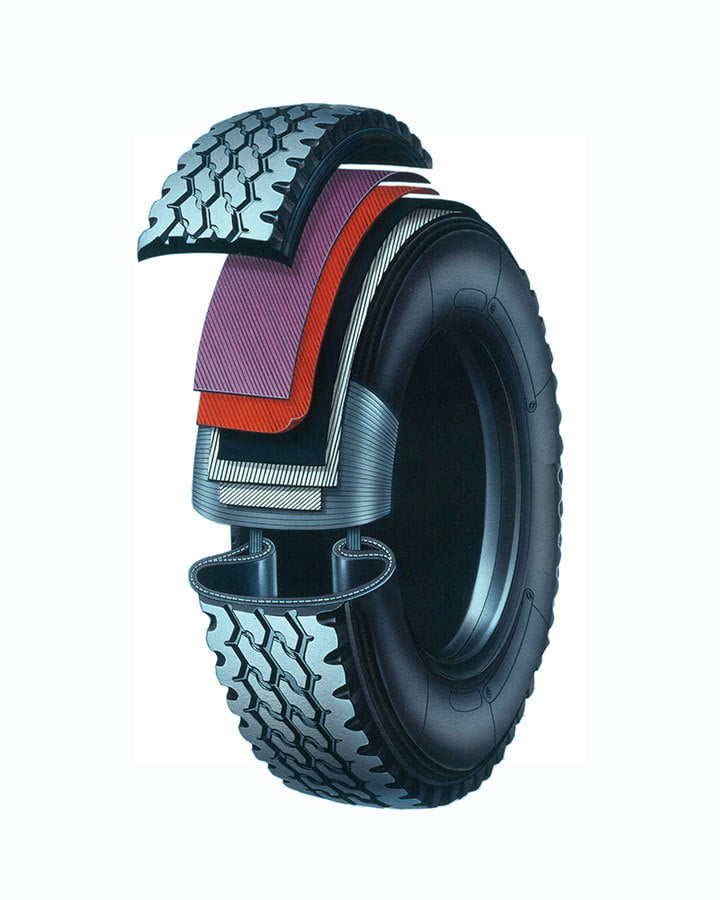
What Are The Parts Of A Tire? A Complete Guide.

Tires are a very integral part of every vehicle. Without them, there’s definitely no way you’re going to get anywhere. That’s why it is so important to understand the varying parts and the role each one plays. From the tread to the bead liner, here’s what you need to know about the seven parts of a tire.

What Are the Seven Parts of a Tire?

Each part of the tire has a specific purpose that helps ensure the integrity of the tire and your overall safety on the road. There are seven common parts you need to know to fully understand how a tire works.

Tread

This is the part of a tire that comes in contact with the road. Likewise, tread sipes are the smaller treads within the tread that help improve traction on slick surfaces such as sand or snow.

Sidewall

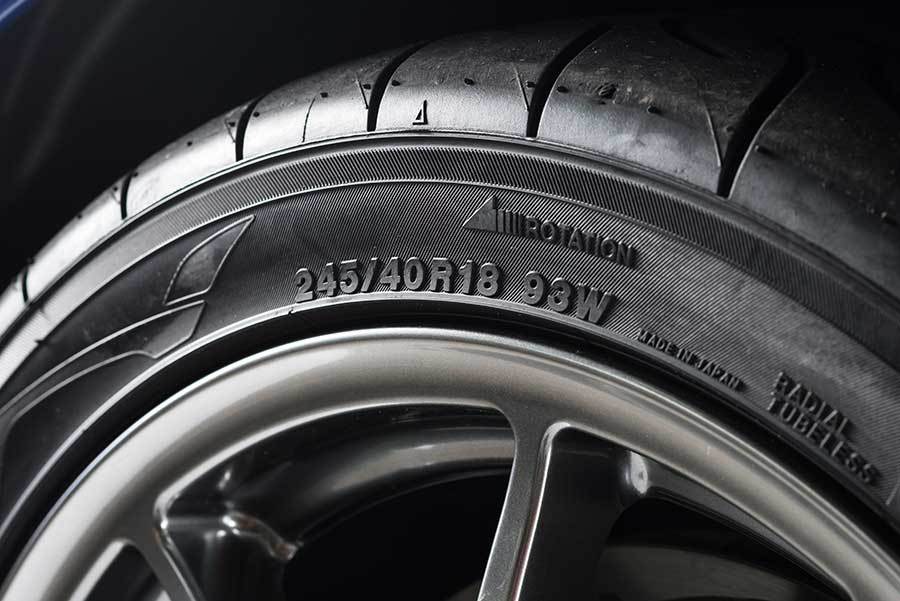
The sidewall is the side of the tire from the bead to the tread. The main purpose is to provide protection to the cord body. Most pertinent information about the tire is printed on the sidewall.

Belt Plies

These are the strong layers of cord located just under the tread. They provide stability and durability to the tire tread. In most cases, there can be anywhere from two to fourteen belt plies in a single tire.

Radial Cord Body

The radial cord body is made from rubber coated nylon cords called body plies. Usually made from polyester, the cord body gives the tire additional strength to hold up to wear and unexpected road conditions.

Inner Liner

Composed of solid rubber, the inner liner is the part of the tire that holds air. This is a crucial section of the innermost part of the radial cord body. While it is similar to an inner tube, modern passenger vehicle tires do not actually use inner tubes anymore.

Beads

This is the portion of the tire that holds the tire to the rim. Designed to keep the tire from moving out of place when the wheel rolls, they’re often made from high-tensile wire woven into rubber.

Bead Filler

This is a solid rubber compound inside the beads of the tire designed for added stability within the sidewall and bead area.

How to Read a Tire Sidewall

how to read a tire sidewall

One of the most important skills that everyone needs to learn at some point in their adult life is how to read a tire sidewall. This important piece of the tire features all pertinent information that you need to know about the type, size, and diameter of a particular tire.

The six different parts of information on the tire sidewall are type, width, ratio, radial, wheel, and index. For example, the sidewall of a tire might have this written on the side:

P225/60/R17

In reading this, you would see that the type is P for passenger vehicle. The width of the tire is 225-millimeters. The aspect ratio is 60% as tall as it is wide. The R is for radial and 17 is the size of the wheel. Using this same formula, you can dissect any tire size written on the sidewall to determine whether a particular tire will fit your vehicle or not.

Comparing Different Types of Tires

When purchasing tires, it is important to know more than just the size. You want to ensure you’re buying the right type of tire for your particular vehicle and the conditions you’ll be driving in. For example, ice and snow conditions need a different type of type than dry roads or heavy mud. Here’s what you need to know.

Commercial Trucking Tires

These are the type of tires you see on large semi-trucks, fire trucks, and other forms of heavy equipment. They have a stiffer sidewall and heavier tread to accommodate their use in difficult weather conditions and even construction situations. These tires feature a heavier load rating to accommodate the size of the vehicle they are on.

Winter Tires

You can tell a winter tire by the coding “M+S” located on the sidewall. They have twice or more the number of tread sipes and feature a softer rubber compound that grips better in ice and snow conditions. Those who live in climates with rough winter conditions should consider using this type of tire during the cold season.

All-Season Tires

Also called an “AS” tire, all-season tires can be driven in any weather condition. This is one of the most popular types of tire for ordinary passenger vehicles. These are tires with a non-aggressive tread pattern that are generally original equipment on cars and trucks straight from the factory. The vast majority of tires available at local repair shops are classified as all-season tires.

Off-Roading or 4×4 Truck Tires

These tires can be classified as those for passenger vehicles or light trucks. They are specifically for situations where the vehicle is driven off paved roads in the sand or dirt. With an extremely aggressive tread pattern, they are specifically designed to keep from getting stuck in the mud.

SVI – Your Resident Auto Lift and Tire Changer Experts

Despite what most people might believe, there is far more to modern tires than just air inside of rubber. Whether you’re looking to buy new winter tires for your sedan or are looking for commercial ones with a meaty tread designed for a fire truck, it is important to know the various options available. By knowing this information, you can ensure you’re getting the right size and style for your needs every time.

Ready to learn more about how SVI International Inc. can help with all your commercial lift needs? Please contact us today.